
Blog
Essential Papers & Secure Travel Storage: Travel Documents List

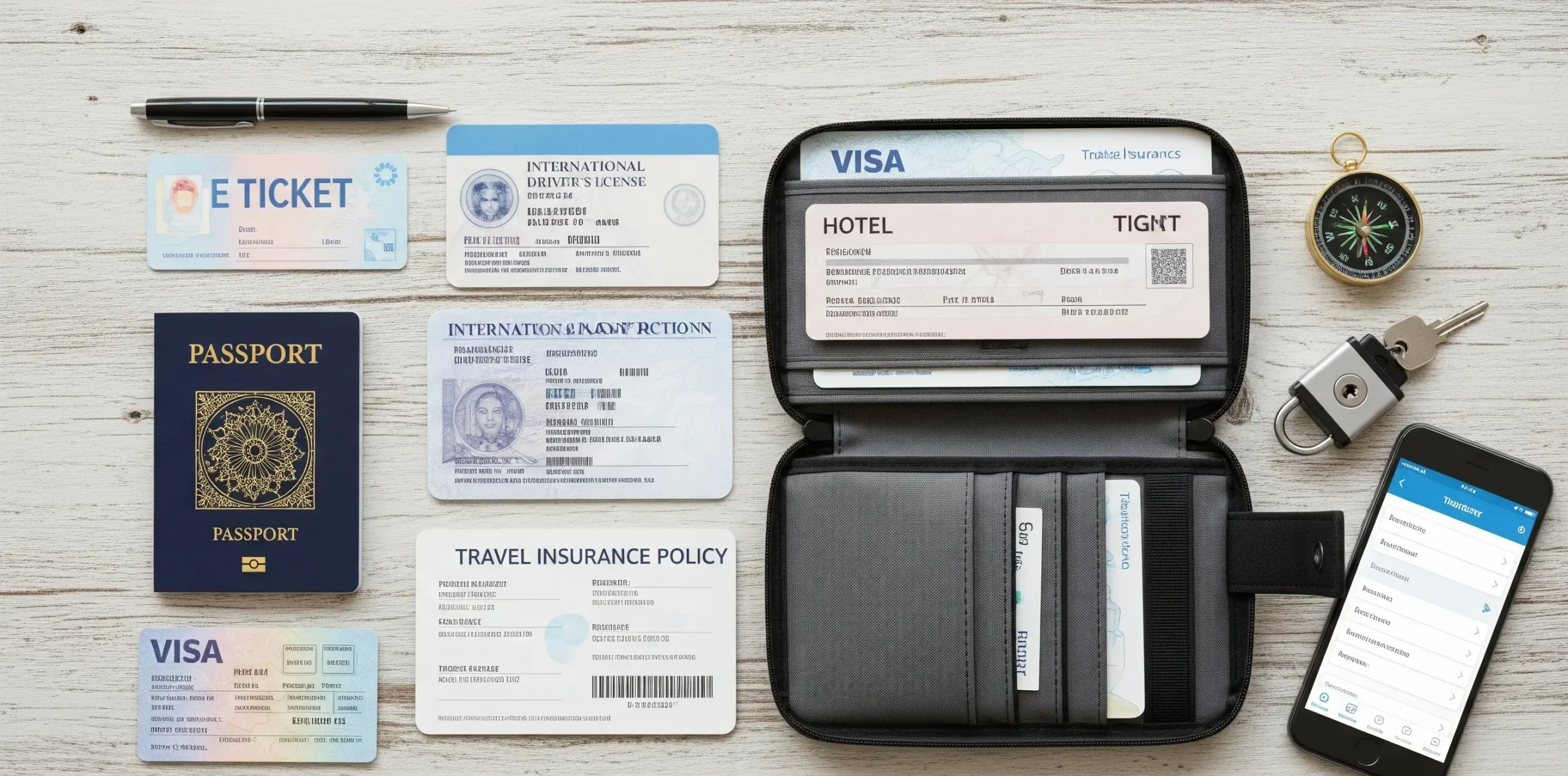
Why Travelers Face Problems Without a Travel Documents List
Travel documents list issues are perhaps one of the most prevalent issues foreign travelers experience. Just imagine you fly into an airport to be told your passport is not valid or that you lack the visa that you require. They are not posed situations; they are real events that a common man faces. A lost proof, an expired passport, or a misplaced record of inoculation will ruin your vacation.
The refusal of flights and delays are not rare because travelers cannot realize how important it is to prepare all the necessary documents and store them in a safe way. Countries have now changed their entry requirements more often than not, so visiting a country without sufficient documents today can lead to not boarding a flight, rebooking at an outrageous price, or, in some cases, deportation. This is why it is necessary to be familiar with what can be part of a proper Travel documents list and to secure travel storage documents.
A list of travel documents
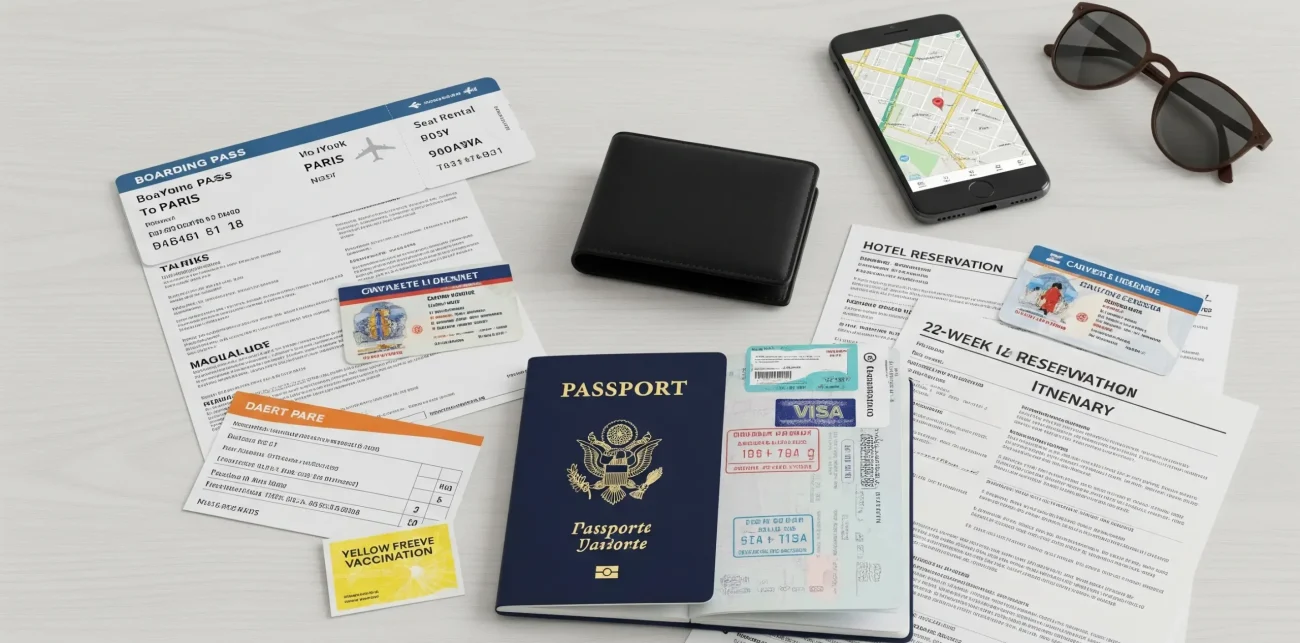
A list of travel documents is an itemized list of all identification required, entry visas, health certificates, and other travel documents that one may need. Whether you go for leisure, business, or studies, it is essential to keep all these documents organized.
Your passport will usually be your first and highest-priority item. It should be up to date—most nations require it to be valid for a minimum of six months after your return date. Then a visa or travel permit like ESTA (for the US), a health clearance certificate of vaccination, and emergency travel insurance follow. To have all these in one bag is your safety net while overseas.
The results can be devastating even in case you forget only one item in your list of travel documents. You may be delayed at the immigration area, you may be stuck at the airport, or you may simply be sent back home. This is the reason why you should not only possess the documents but also put them under safe custody.
Passport and Identification: Number One on the List
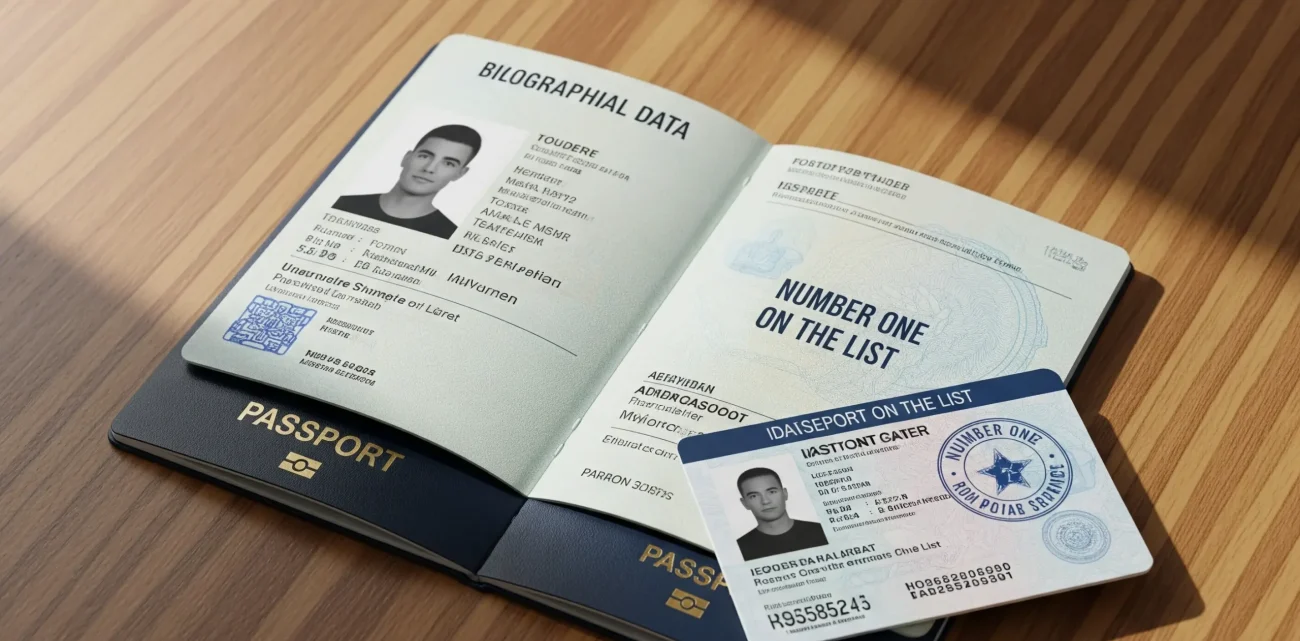
Your passport is your main travel document abroad. It’s no small matter—every nation has different rules about passports. For instance, most have the condition that your passport needs to be valid for six months after the date of entry. Some require one or two blank visa stamp pages.
You may also bring a second type of photo ID, such as a national ID card or a driver’s license. These will not be useful in gaining entry to another country, but will be useful for identification when checking into hotels, reporting to local police stations, or for auto rentals. The secure travel storage system to keep your passport and ID cards includes the use of a waterproof travel wallet.
Visa and Entry Requirements
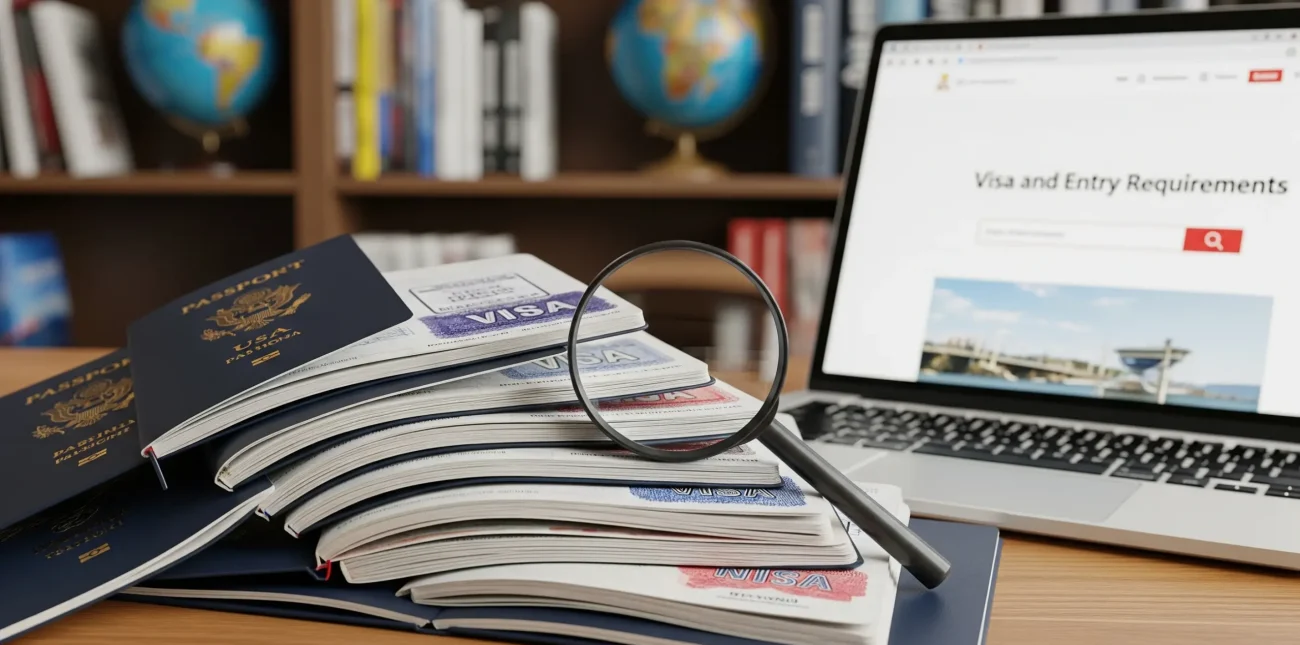
Visa is the most misleading aspect in the list of travel documents. Each nation has a policy; some of them demand a physical visa, and some use an electronic permit, as the U.S. has the ESTA.
Ignorance of visa laws can land you in serious trouble. For instance, if you travel to a Schengen nation in Europe, you’re granted 90 days within any 180 days. Staying there an extra day can get you a fine or a travel ban. Certain nations also request printed visa confirmations, even if you’ve requested them online.
From giving accuracy, ensure that your sources of information are credible, such as the IATA Travel Centre or through government websites, before booking your travel, since there may be requisites which may require entry requirements.
Health Certificates and Fees of Vaccination
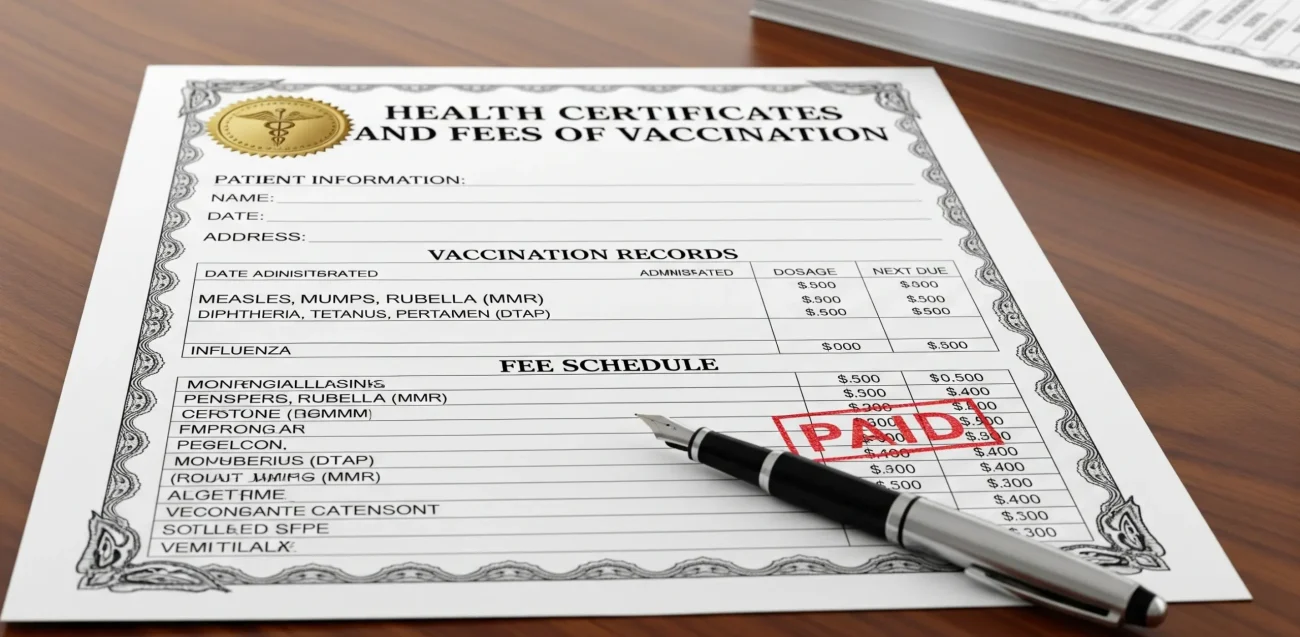
With increasing health concerns across the globe, countries have made their health-related entry documents more stringent. Yellow fever vaccination certificates are required in the majority of African and South American countries. Test reports or vaccination certificates for COVID-19 can still be required in some places, based on prevailing public health rules.
Health documents must be current and must align with the documents on your passport. Hard copies and electronic copies must be kept in various spots. Such evidence is a critical component of secure travel storage, especially when you are traveling in different countries with different entrance processes.
Travel Insurance and Evidence of Finance
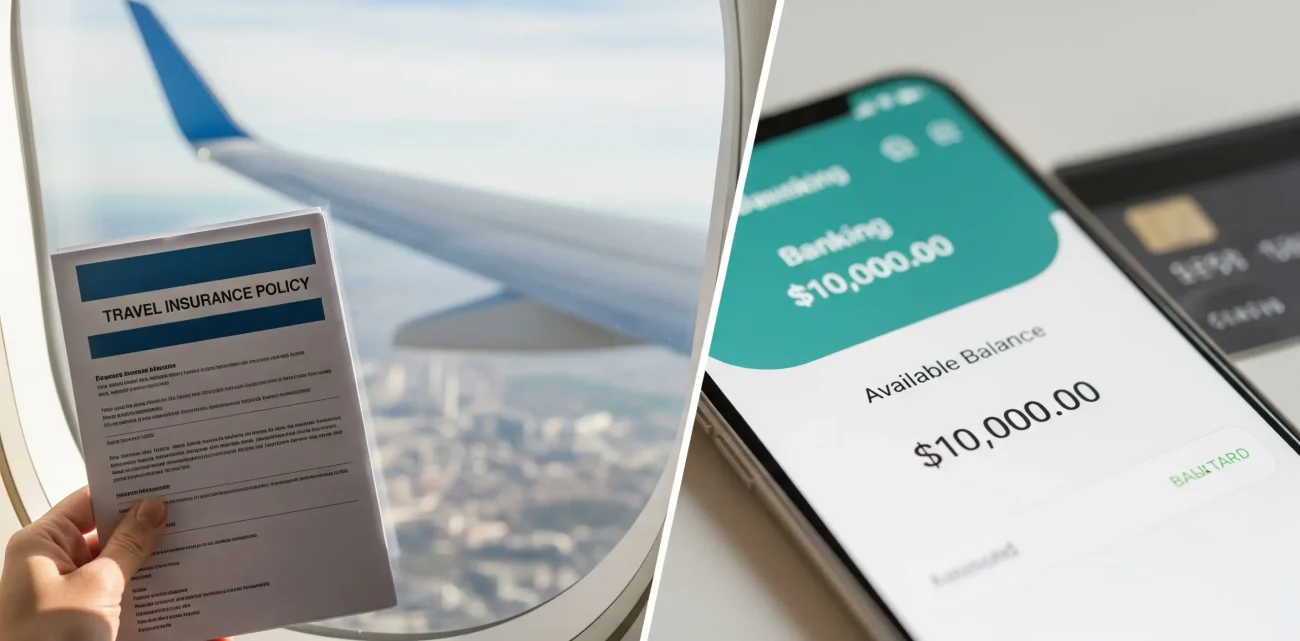
Although at times it is an afterthought, travel insurance is something you should not leave behind. Travel insurance is obligatory in most nations. It will be able to cover you against medical problems, cancellation of the trip or your luggage.
You might also be asked to show your proof of onward travel, reservations of a place to stay, or money (e.g., proof of bank or credit card). Such records help the immigration personnel to understand that you are not intending to overstay your visa, as you have actual travel intentions.
In order to be secure, print out all booking confirmations and email receipts. Store them together with your passport in a travel folder, and have backup copies stored in your email or secure cloud drive.
Forms for Minors and Drivers
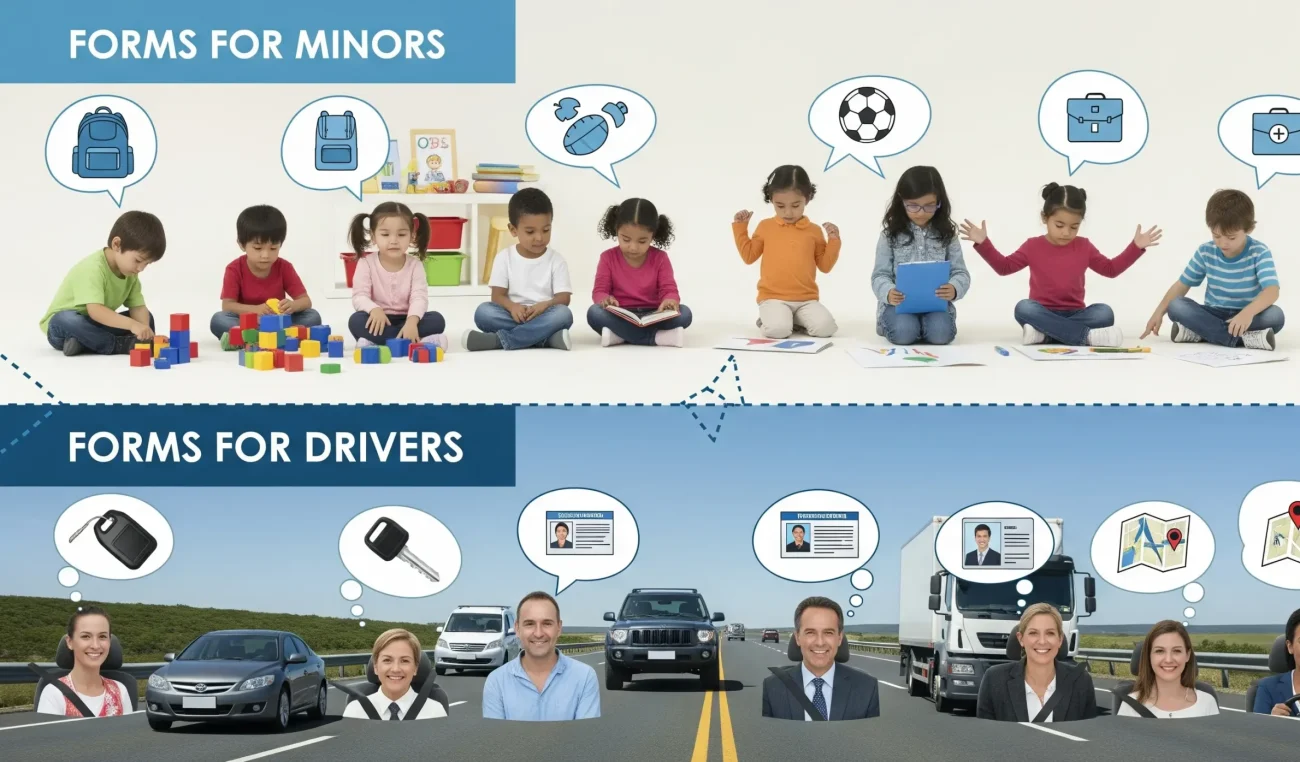
If you are traveling with children, your checklist for travel documents should include several additional things. Each country requires a letter of permission from the other parent not traveling, the child’s birth certificate, and photocopies of both parents’ identification cards.
If you are abroad, find out whether you need to carry an International Driving Permit (IDP). Some countries refuse to accept foreign driving licenses without it. IDP is a copy of your original license and is accepted in more than 150 countries.
All these special papers must be handled in the same way you handle your passport and visa. Organizing and storing them properly while traveling will save you from stressful situations while crossing international borders or when you take car rentals.
Safe Storage Practices for Traveling
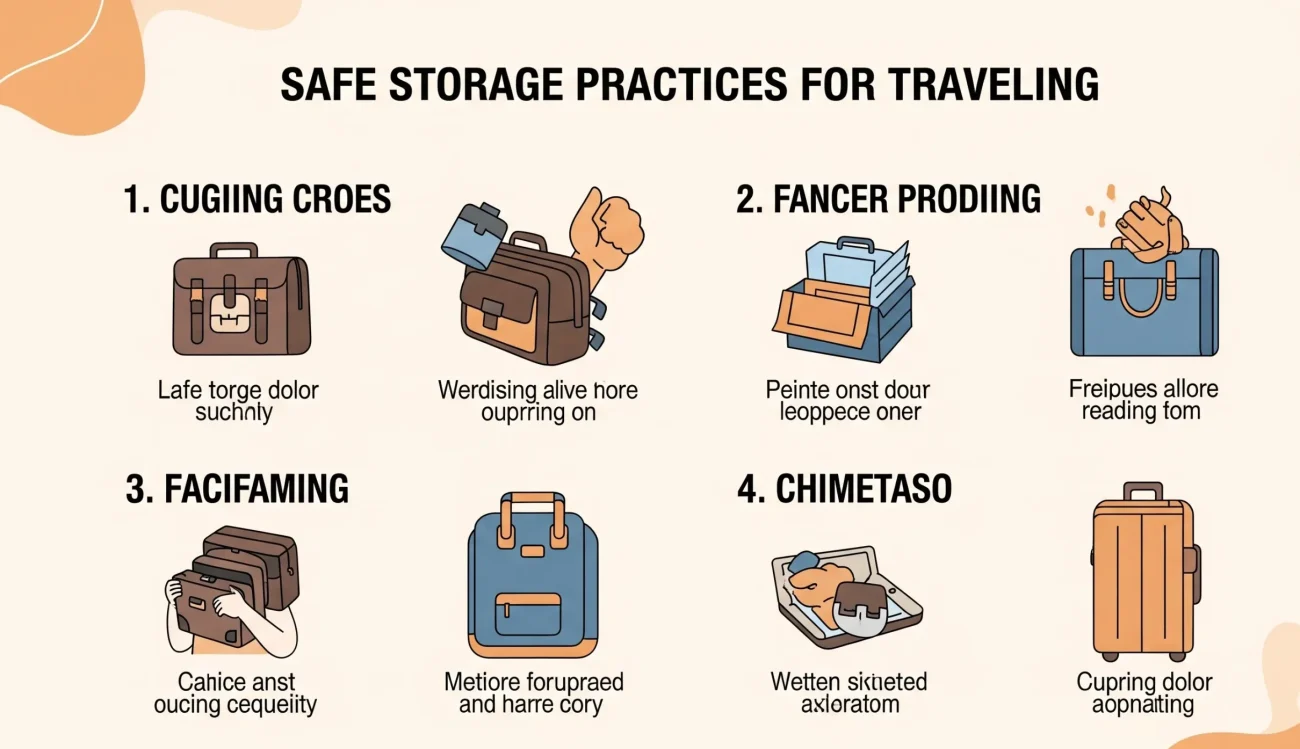
Regardless of the best travel documents list, all your planning will not help you if you lose or damage your documents. That is where secure travel storage comes into play.
These are best practices:
- Use a travel wallet: Zippered and waterproof wallets are perfect for keeping your documents in order.
- Keep digital backups: All the documents should be scanned or photographed. Store them in encrypted cloud storage like Google Drive or Dropbox, where there is a particular lock using a password.
- Divide originals and copies: Keep a money belt or a neck wallet carrying your original documents and a copy of them in your carry-on.
- Hotel safe: When you do not need your documents at any time of the day, keep them in a safe.
- Share backups: Send copies to a trusted person or friend who can save them in an emergency.
- This measure is really convenient to minimize the chances of loss or theft.
Pre-travel checklist: Travel documents list
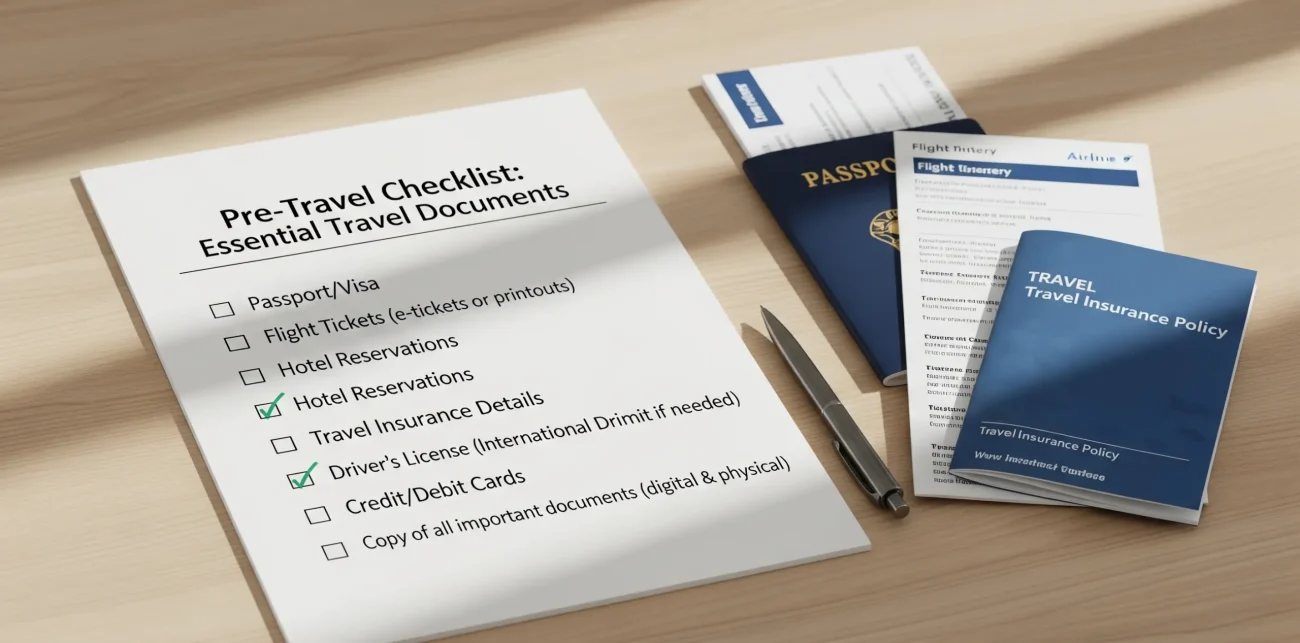
Having a timeline from the travel documents list keeps you on schedule.
Two Weeks Before Travel:
- Secure the necessary visas or travel permits.
- Check passport validity.
- Purchase travel insurance.
- Arrange your travel and accommodations.
One Week Before Travel:
- Print and scan all documents.
- Place them in a travel folder.
- To send digital copies to a trusted individual.
Day before departure:
- Double-check your documents folder.
- Isolate the pack originals and duplicates.
- The travel wallet should be put in the carry-on.
By using this checklist, not only do you get all the documents that you require, but you also keep them in the most secure file.
Uncomplicated Definitions of Traveling Key Terms
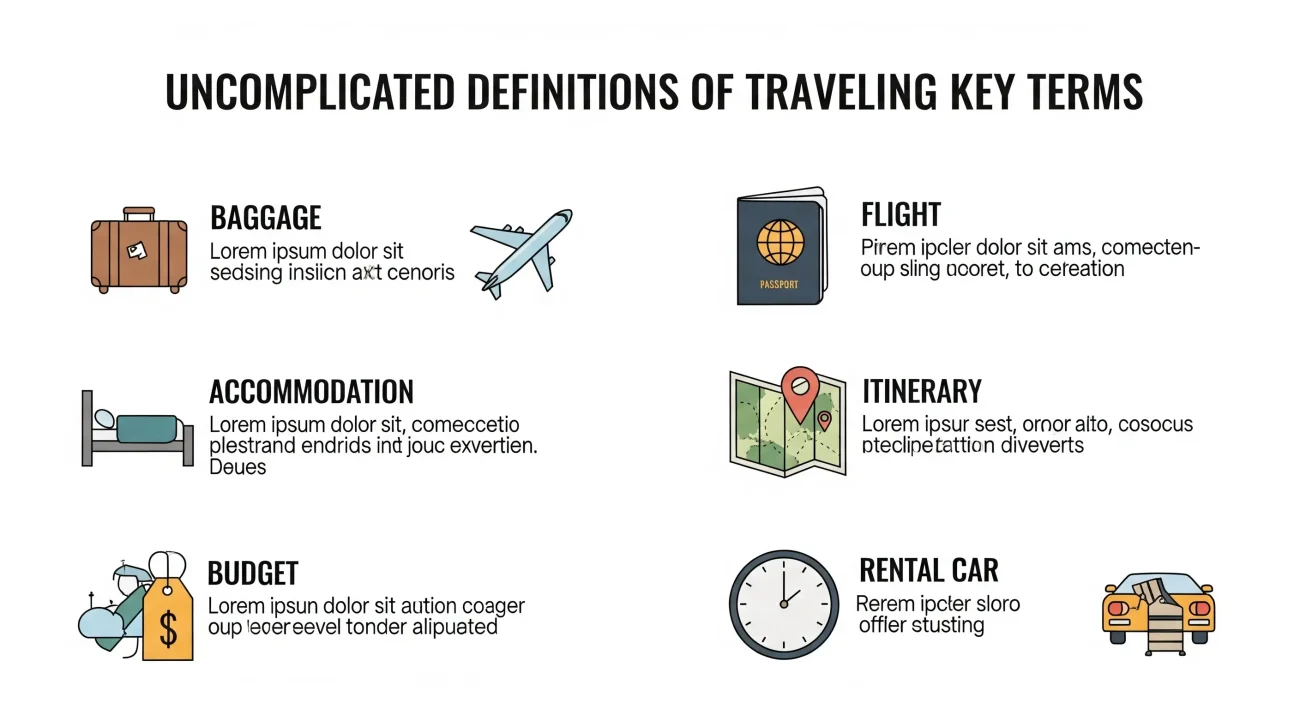
Some of the key terms are discussed in plain English below:
Visa: A document or electronic piece of paper that enables you to travel to a certain nation.
ESTA: A computerized electronic entry system used by the U.S. for temporary visits.
IATA: International Air Transport Association, a global organization for travel regulations.
Timatic: The airlines’ computer system to verify whether your travel documents are in order.
IDP (International Driving Permit): A permit that converts your driver’s license into other languages.
.
Conclusion

Travel Safely with the Right Travel Documents: List Your Travel Documents. Travelling may go beautifully or tragically, according to whether your Travel documents list is complete.
Some trivial mistake, like the loss of a visa or a health certificate, can put an end to your trip. With the assistance of the entire checklist and secure travel storage, you can travel safely. Ensure documents are secure, check requirements beforehand, and always carry digital and hard copies.
Make the effort in advance, before you depart, and save yourself grief when it matters most.
