
Blog
Top 5 Packing Mistakes to Avoid for Stress-Free Travel

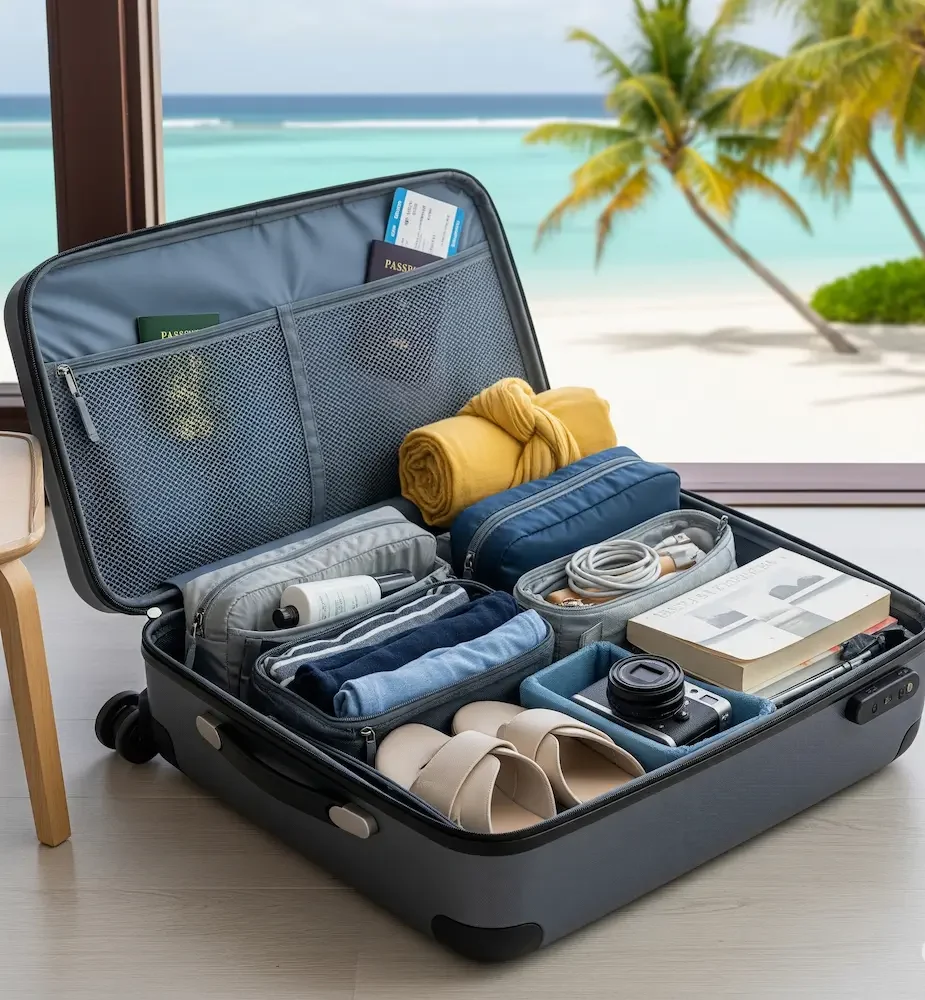
Top 5 Packing Mistakes to Avoid for Stress-Free Travel
There are few people who look forward to packing for a trip. For most of us, packing mistakes cause stress, especially if you are prone to forgetting your essentials. With a bag limit, baggage fees, and the need to not forget any essentials, things get even more challenging. Even if you are going for a weekend trip, if you don’t pack properly, everything can turn into an utter mess.
In this article, we will discuss the most common travel packing errors and determine how you can prevent them. By the end of this post, you will be able to effectively pack for your trips in the future.
1. Overpacking, or “I Might Need It” Syndrome
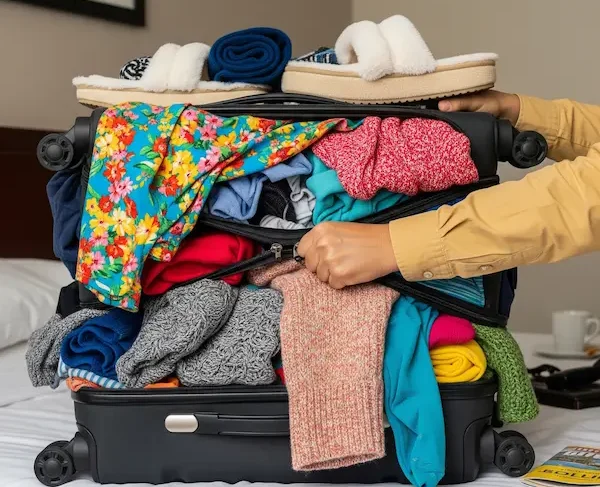
Stuffing your bags with multiple gadgets, clothes, and items only because you might need them at some point is ridiculous. Due to irrational fears of not bringing some item, most people tend to overpack. It is one of the most common packing mistakes one can make, resulting in heavy bags, excessive baggage fees, unnecessary stress, plus a ton of anxiety.
Why It’s a Problem:
Following specific packing guidelines for your luggage is equally important as packing your bags smartly. Overpacked suitcases not only increase the body’s ability to be unlocked as a whole but also wastes space inside the bulk compartment. In the case of air traveling, packed suitcases also have the capability to become overweight, incurring an extra cost that not only has to be paid but also makes you feel depressed and miserable greatly depressing your overall mood
Solution:
To prevent overpacking, organize your outfit selection beforehand. Opt for a capsule wardrobe that contains multifunctional clothing that can be mixed to create several outfits. To utilize your clothes to the fullest, limit yourself to:
3-4 tops
2-3 bottoms
1-2 jackets or layers
2-3 pairs of shoes (according to your destination)
To conserve space in your luggage, wear your heavier items like boots and jackets on the plane. Use packing cubes or compression sacks to be organized and compress your clothes to pack more compactly.
2. Oblivious to the Baggage Limits Set by Different Airlines.
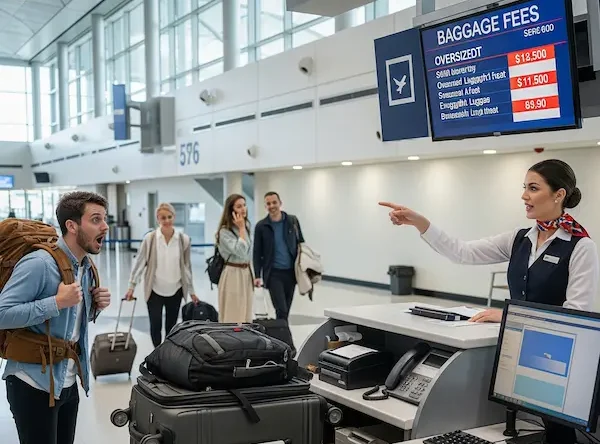
Each airline follows its own rules which are implemented with the goal of preserving customer satisfaction. While rules are present, their misuse can send flags and return heavy punishment. Families that lift as a whole invite counterpart opinion and laughter, and join unhappiness, making children rethink what adulthood would feel like. So as a parent, make sure you give kids what they crave in their day to day life.
Why It’s a Problem:
Let’s say you arrive at the airport and realize your carry-on is either too big or too heavy. You either need to pay more or check the bag. No one likes to start their trip off this way.
Solution:
To avoid packing mistakes, make sure to check the airline’s baggage rules. You can do this in several ways, for instance:
- If your suitcase is packed properly but overweight, use a luggage scale to ensure it meets the weight requirements.
- Every airline has its limits for hand baggage, always check and compare to the policies of the airline you are traveling with. There are some airlines that are stricter than others.
- Refrain from putting extra weight in your bag.
In case your bag is packed to the limit but within weight requirements, try wearing your heaviest clothing instead. This will boost your chances of cutting down on baggage fees.
3. Overstuffing Packing Cubes and Compression Bags

When used correctly, packing cubes and compression bags can be lifesavers. However, overstuffing or improper use of compression bags creates disorganization, which can be extremely inconvenient.
Why It’s a Problem:
Packing cubes typically offered on the market as an organizational tool can lead to overstuffing which results in difficulty accessing your items, wrinkles, and bulging bags. On the other hand, Compression bags can help save space, but If used incorrectly, they can result in surpassing security limitations.
Solution:
- Packing cubes are best utilized when clothes are categorized such as shirts in one cube, pants in another, and accessories in a third which allows for organized and easy access to items while maintaining order within the bag.
- Use compression bags for bulkier items although, don’t overstuff or you risk surpassing airline regulations. Avoid shrink ray superheroes attempting to pack their jackets.
- Use packing cubes for dirty laundry during trips to keep fresh clothes untainted throughout travels.
When utilized correctly in conjunction, packing cubes and compression bags allows you to stay light while keeping everything organized.
4. Forgetting Essentials and Toiletries
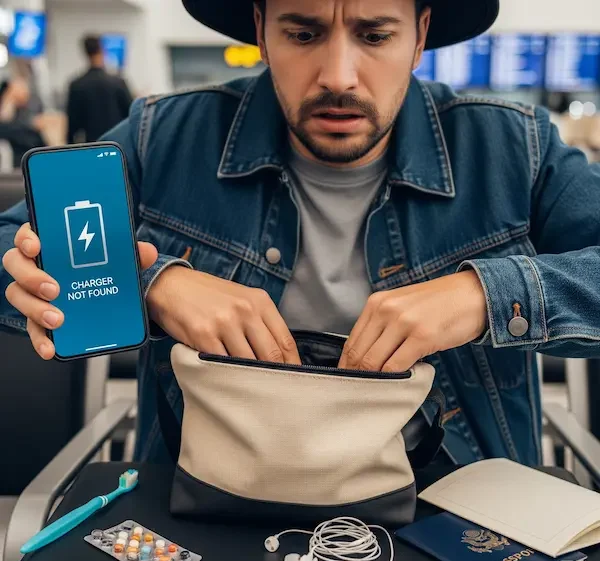
The hasty pre-departure process—be it packing or running to grab things and toss them into a bag—certainly increases the danger of something being left behind. Something as simple as a charger, medication, or toiletries can considerably throw a wrench in one’s plans.
Why It’s a Problem:
No one wishes to be in a situation where forgetting a phone charger diminishes the entire trip’s experience. Gadgets such as forgettable travel documents, medications, or even toiletries can lead to extreme headaches, additional expenses, and unwanted rush during the trip.
Solution:
Avoiding essentials can be troublesome. However, creating a packing checklist weeks in advance can eliminate problems. The checklist should contain:
- Travel Documents: A passport, tickets, visas, and IDs are all considered travel documents.
- Toiletries: A toothbrush, toothpaste, shampoo and conditioner, as well as deodorant (travel-sized) are toiletries.
- Electronics: A phone charger, laptop, headphones, and camera are all electronics.
- Medications: Prescription drugs, painkillers, or any allergy medication qualifies as medications.
Also, remember to store all important documents within easy reach in a travel wallet or travel pouch.
5. Preventing Packing of New or Uncomfortable Items
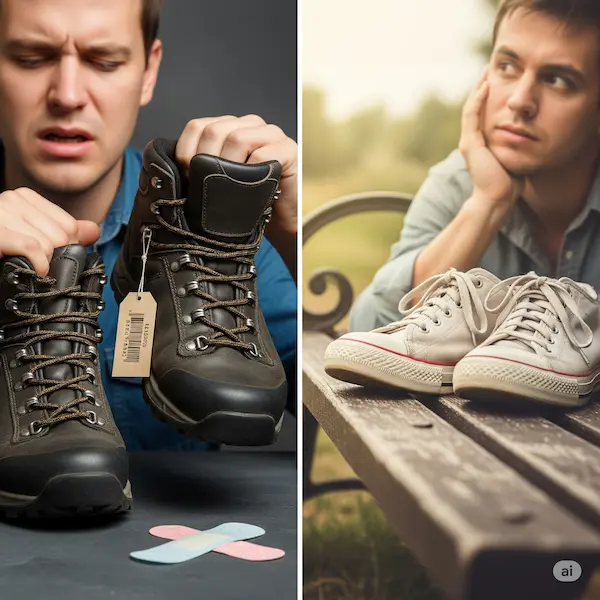
Another frequent travel packing error is packing newly purchased or untested clothing and shoes. While it might be dull looking, trying to wear new clothing or shoes is not boring at all. Wearing untested clothing is risky business, so be careful.
Why It’s a Problem:
The wrong choice of apparel can lead to trip ruining discomfort. New shoes that cause blisters and ill fitting clothes can make the long days of sightseeing or traveling excruciating even unbearable.
Packing List Tips:
Only pack items that you’ve worn and know are comfortable. Here’s a quick checklist:
- Shoes: When it comes to footwear, avoid new shoes. When on long travel routes, comfort comes first.
- Traveling: Put on shoes that have already been broken in. Make sure shoes are comfy if destined for long hikes.
- Clothing: Never pack new clothes that you have not worn for long periods. Go for what you know fits well and is cozy.
Ensure clothing is easy to pack but can be used for more than one occasion (ex. Lightweight day to night dresses).
Avoiding wearing untested clothes and specially shoes ensures you will enjoy your trip.
Final Quick Tip: Stay Flexible And Expect Challenges
Plan to have the worst happen. Adapt and don’t stress when your luggage gets lost or needs to be rechecked.
Solution:
For those who lose items like toiletries, outfits, or anything of that nature, just breathe. Most places sell these items. Remember, some thought and planning is needed, but so long as you are organized, not everything needs to go perfect as long as their plans have loose structure.
Conclusion:
Traveling does not need to be a stressful experience. If you can sidestep these usual travel packing errors, you’ll be able to bank plenty of time, money, and energy. Planning your travel schedule properly means you’ll prepare ahead, pack with intention, eliminate clutter, and travel with much more ease.
How about you, what’s your experience with packing mistakes? Pose your answer in the comments below, and you are welcome to add any hacks on packing that worked well for you. And most importantly, do tell your friends if you found these suggestions helpful—have a good time packing!
