
Blog
Ultimate Europe travel packing list for a Trip to Europe

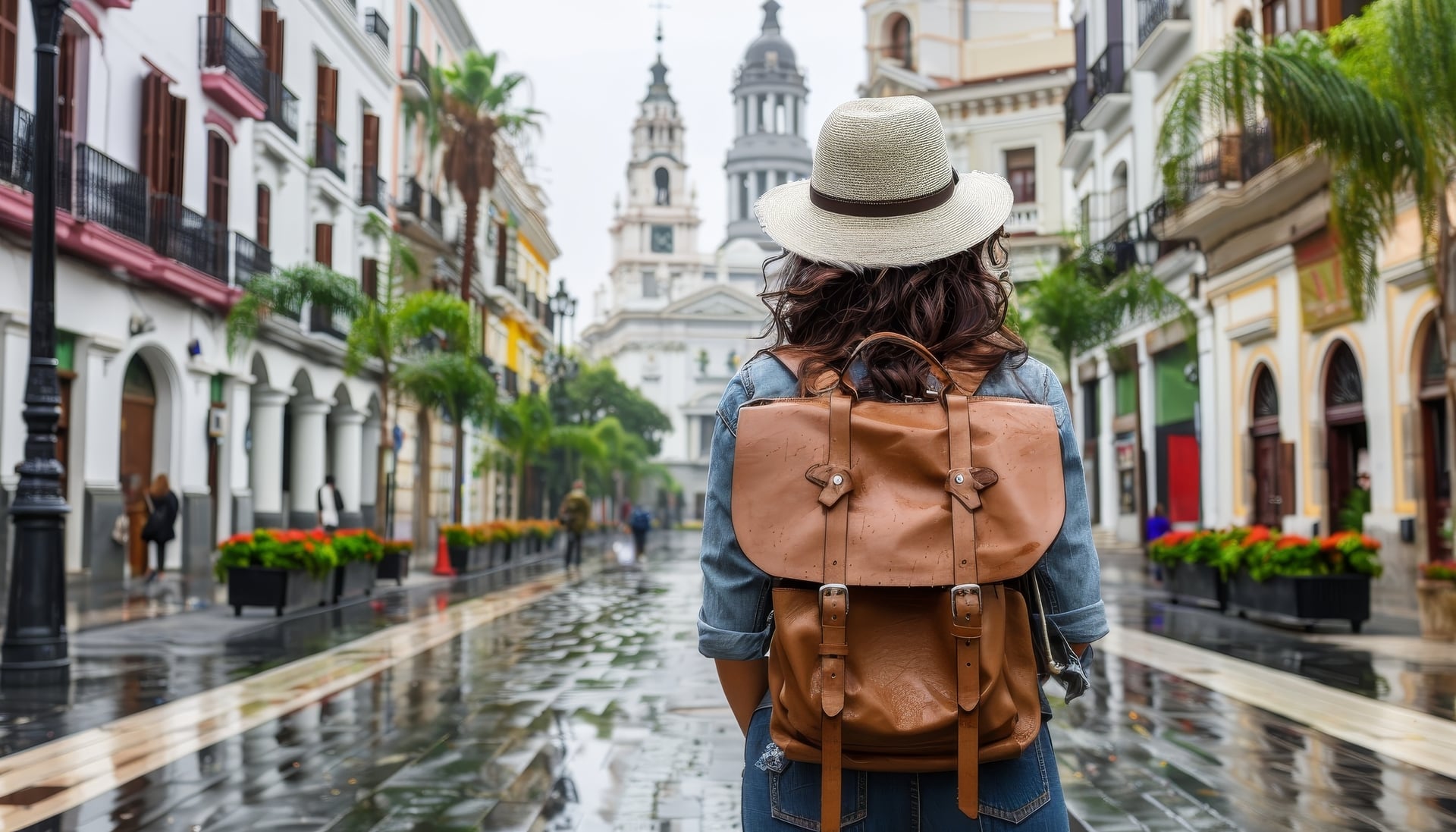
Ultimate Packing Guide for a 10-Day Trip to Europe
Struggling to Pack for Europe? Here’s Why It’s So Common
The whole process of packing before traveling to Europe is a stressful experience for many travelers. You would like everything to be set to be able to go to the cobblestone roads of Italy and the rainy streets of Paris. You would not like to make yourself tangled in the huge portions of luggage. Extra-weight suitcases, failure to remember about necessary things and failure to learn what to wear in different weather are the most frequent.
When you are asking yourself whether you can pack one carry-on when you are going on a 10-day trip, the answer is yes. You can travel lightly and stress-free, with a clever plan, a small Europe travel packing list, and an effective travel kit Europe. The guide comes equipped with a comprehensive and non-confusing step-by-step packing process that is both functional and trendy.
Choosing the Appropriate Baggage for Europe
The trip begins with carrying the correct luggage. The majority of European travelers like a small rolling carry-on bag or a travel backpack. The wheeled suitcase may prove very handy at the airports and in more contemporary hotels. They are cumbersome when one has to go to the ancient part of the city with steps, very narrow pavements and without elevators.
Europe may be more compatible with a travel backpack, particularly when train travel is part of the itinerary. But just ensure your carry-on bag is an acceptable carry-on according to European airlines. Since it tends to be much more restrictive than U.S. airlines. Selecting an appropriate bag would be the initial step in creating an effective Europe travel packing list that satisfies the requirements of space and mobility.
Organize Major Travel Documents
With no documents, your vacation may even be cut down before the starting point. Don’t forget to carry your passport along with the visa (unless a travel visa is not needed) and photocopies of your flight booking and hotel reservation.
Keep in a waterproof folder or travel wallet:
- Passport and ID
- Travel insurance certificates
- Emergency contact list
- Cash euros and a foreign debit/credit card
Utilize Packing Cubes to stay organized
Once you have categorized your bags, it is all about organization. Packing cubes are thin fabric bags that you utilize to categorize clothes and accessories. They ensure that you can keep your stuff sorted by type and access it without having to mess up any bag. An example is that on one day you may put your shirt on first, on the second is your pants, and on the third are your underwear.
Packing cubes also reduce space on the clothes, and thus you will be able to take more of your gear in a bag. The system offers greater visibility and allows you to pack smart, not hard. Adding packing cubes to your travel kit’s Europe configuration will revolutionize the way you travel, with every piece having a home and nothing getting lost in your bag.
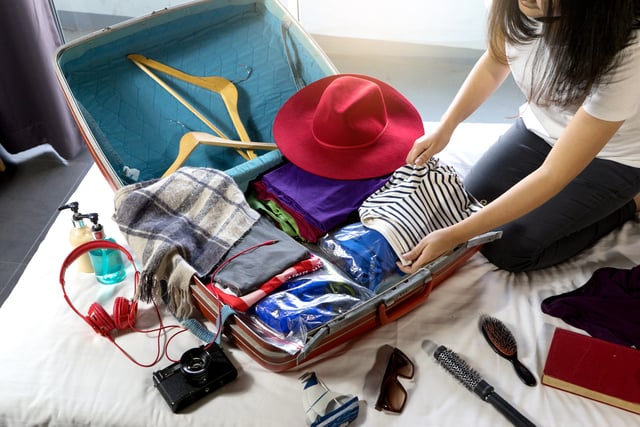
Build a Capsule Wardrobe That Works
In order to have a stylish and practical pack, it does not require 20 outfits. Better that by obtaining a capsule wardrobe: a couple of items of cross-functional apparel that you combine with others to form alternative looks. Make decisions about clothing before the summer and always wear lightweight material clothing that will breathe, such as linen and cotton, or merino wool. These materials are fast drying, absorbent and not smelly, and they also feel alright in any type of temperature.
Three to five tops, two to 2 pairs of skirts or pants, one or two layers, including a sweater or a light jacket, should be more than enough. Add one additional set that is slightly more formal, to go out to the restaurants or museums. This capsule wardrobe is an accompaniment to your list of what to bring along as you travel Europe, traveling by minimizing space solely without restraining clothing options.
Learn the Power of Layering for Weather Versatility
The weather in Europe is simply unpredictable, even within a day. It is important not to forget about layering. Do not bring heavy coats but think in three layers. Next goes a base layer such as a light T-shirt or a thermo top, next to your skin. A fleece or a hoodie forms an extra layer to offer warmth. A shell, such as the rain-resistant one, seals your body against rain and wind.
This system can make you ready for everything, a chilly morning in Amsterdam, a sunny afternoon in Rome, etc. The smart layering allows you to keep the little weight and remain flexible. It is also one of the most significant suggestions on improving your travel kit Europe and having an effective travel, whatever the season.
Limit Your Footwear to What You’ll Actually Wear
One of the most space-hogging things in your bag could be shoes. It is hard not to be tempted to bring several pairs. It is also important to carry one pair of comfortable walking shoes, as they will be desperately needed whenever traveling through cities with uneven terrain. Complete with one more pair that can be used at dinners or casual outings, flats or small sneakers will be a good choice.
The message here is to bring your chubbiest shoes on the plane and bring the lightest ones. Well planned and you only need two pairs to go to Europe during a ten-day stay. It is this simplified method that makes your Europe travel packing list small and manageable, as is, without sacrificing anything in terms of comfort or appearance.
Pack Only the Essentials in Your Toiletry Kit
Toiletries consume a lot of space than required. Pack in travel-sized containers that are TSA-friendly. Travel light without having stuff that is just in case. The basics are toothpaste, a toothbrush, deodorant, and, shampoo. Most hotels would offer free supplies such as soap or conditioner; do not pack in excess.
You should also provide any prescription medicines in well-marked containers. It is a good idea to have a couple of basic first-aid supplies like adhesive plasters and analgesics. All that should be within a quart-sized bag. Keeping your toiletries slender will enable your travel kit Europe to be easy to carry and take through the airport.
Bring the Right Travel Tech and Adapters
Electronics are a must, but they are so simple to overpack. Phone, a charger, and a universal adapter that will also accommodate European plugs are essentials. They, unlike in the United States, mostly have 220-volt power and varying types of plugs, so the correct one is not an option, and the same will apply in Europe.
Yes, you should take along a power bank to charge your gear once you are on the tour. Normally, you will only require earbuds, an e-reader or a tablet, and a charging cord. Do not bring large electronics if you can avoid it. Keeping only essential tech on your Europe travel packing list, travel kit Europe without the bulk is a good idea.
Stay Hydrated and Safe on the Go
A water bottle will cost you less money and use less plastic. In addition, most European cities have clean and safe drinking water fountains where you can refill all day. The most effective thing is to ensure that you are well hydrated to fully enjoy the long walks and outdoor games.
You should also carry a small backpack in which you can carry your day-to-day items. Select one that provides a defense against theft, such as inaccessible zips that could not be opened or tampered with easily or even inaccessible material that could not be slashed with ease. It should also be lightweight and small, with the possibility to carry it in your big bag when not traveling. These functional pieces complete your travel kit in Europe with functionality and security.
Use Smart Packing Techniques to Save Space
Practicing space-saving methods can be the key to squeezing a stress-free pack into a tight fit. Instead of folding, roll up your garments which curtails wrinkles and adds extra space. Utilize every last square centimeter of your shoes by filling them with socks or some other small items. Arrange heavier things toward the lowest reaches of your bag to preserve its balance.
Also, leave some space in your suitcase to accommodate souvenirs or commercially bought local products. Most travelers fail to prepare the things they want to take back home and consequently end up stuffing their bags in the eleventh hour. These tips will make your travel list for Europe even more adjustable and comfortable.
Final Thought:
A 10-day vacation in Europe does not need a mountain of luggage. A clear and adaptable packing list Europe travel and a good travel kit Europe help you travel as light and quickly and as cheerfully as possible. The aim is not to bring everything, but the right things.
Choose clothes that have multiple uses, pack smart, and you will fall no more headlong into the concept of leave-loading. Thus, be it the museums you are touring in Paris or the Swiss Alps or having a cup of espresso in Rome, you would mercifully be happy that you made no decisions to drag that extra baggage with you.
