
Blog
What are the 5 best packing methods travel according to Research?

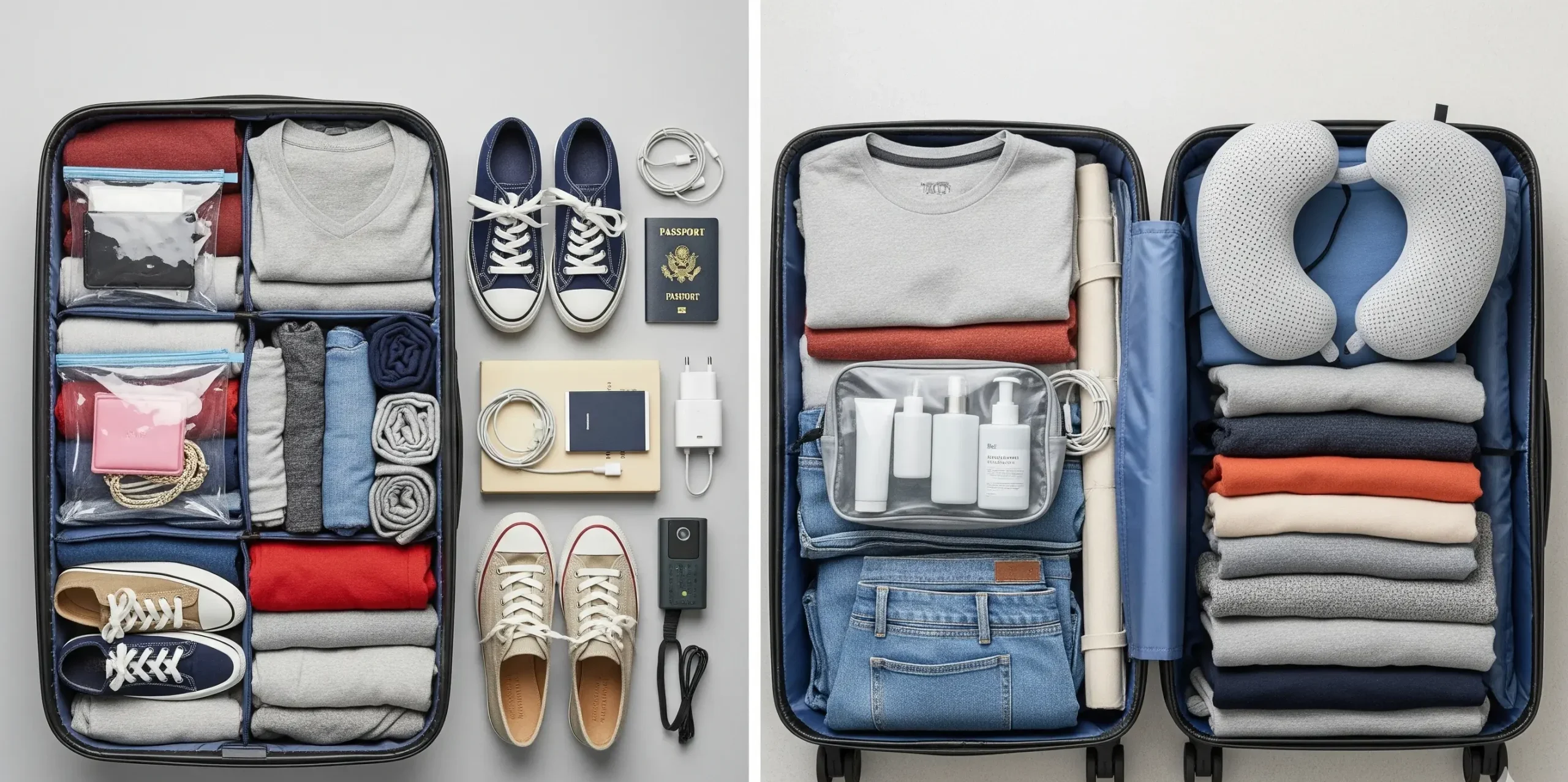
Packing is not a mystery. Efficient packing can save space, time and a whole lot of stress, whether you are going on a weekend trip or a one-month trip. I have immersed myself in travel packing research, tried some things out, and am presenting the most effective best packing methods travel that real people can use to keep their luggage as light as possible.
However, over the years, even professional travelers and researchers into suitcase organization have identified five supreme methods. These are not only favorites due to space-saving qualities, but because they significantly facilitate unpacking and living out of your bag. Let us examine the links below one by one, justifying why they work and how you can make the best possible selection to suit your traveling style.
The Bundle Wrapping Technique Explained
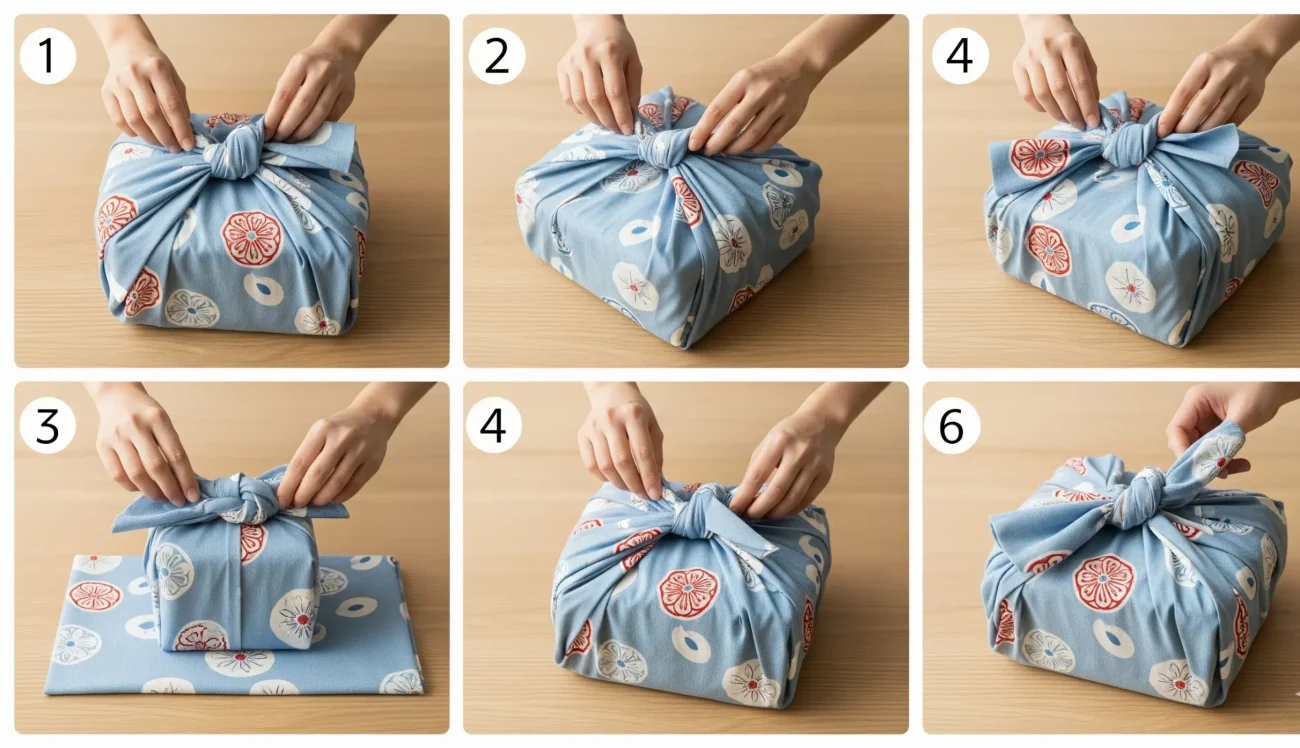
If you’re tired of unpacking clothes that look like they’ve been through a spin cycle, bundle wrapping might just be your new favorite method. This technique is all about wrapping your clothes around a soft core item (like a pouch of socks or underwear) to reduce wrinkles and save space. It’s one of the top tips backed by travel packing research for wrinkle-free results — and it works surprisingly well.
What Is Bundle Wrapping?
Bundle wrapping is a clever packing method where each clothing item is layered and wrapped around a central core. Instead of folding or rolling pieces individually, this technique turns everything into one neat bundle. Because your clothes aren’t creased at sharp angles, you get far fewer wrinkles.
It can also be very useful when you are carrying dress shirts, blouses or pants- things that get creased easily.
Step-by-Step Instructions
Here’s how I pack using the bundle method:
- Focus on the essentials– Pack a pouch of underwear, socks or a soft bag of toiletries.
- Separate big items -Put big jackets, pants or dresses flat, spreading out like the petals of a flower.
- Add medium layers – Layer shirts, tops, and sweaters over the larger items.
- Finish with smaller items – Undershirts or scarves go last.
- Wrap one layer at a time – Gently fold each item over the core, one by one, building the bundle.
The result? A compact, wrinkle-resistant bundle that fits neatly into your suitcase.
Best For: Wrinkle-Free Travel
I use bundle wrapping when I travel for events or business — basically, any trip where looking sharp matters. It keeps dress shirts crisp and pants smooth without needing an iron when I arrive. If you want to stay organized and look put-together, bundle wrapping is worth trying.
The Ranger Roll (Military Style Rolling)

If you’re trying to fit more into your bag without making it a mess, the Ranger Roll might be just what you need. It’s a method used by the military to pack clothes tightly so they take up very little space — and it actually works. I’ve used this for years when backpacking or flying with just a carry-on.
What Is the Ranger Roll?
The Ranger Roll is a way of tightly rolling clothes into small, firm bundles. The difference? Each piece is rolled into itself, so it holds its shape and won’t come undone. You basically turn your clothes into compact “logs” that stay rolled even when jostled around.
How It’s Different from Regular Rolling
- Tighter: The Ranger Roll is firmer and smaller than regular rolling.
- Self-contained: It doesn’t unroll unless you open it yourself.
- Less shifting: Perfect for backpacks or duffel bags where things move a lot.
With regular rolling, your shirts might unroll or get squished oddly. The Ranger Roll keeps everything locked in place.
Best Items for This Technique
- T-shirts
- Underwear
- Leggings
- Lightweight sweaters
- Gym wear
I usually Ranger Roll all my casual clothes, especially when I need to pack light or keep my things super organized.
Compression Bags vs Packing Cubes

As far as the most effective packing methods for travel tipsters, two gadgets rise to the top: compression sacks and packing cubes. Both will help you save room and stay organized — but are suited for various circumstances. I’ve used both while traveling light, and each has its own job.
Pros and Cons
Compression Bags
Great for saving space
Ideal for bulky clothes like jackets and sweaters
Can wrinkle clothes
Harder to access items quickly
Packing Cubes
Keep clothes neatly grouped
Easy to unpack and repack
Don’t reduce volume much
Take up space if overstuffed
Best Use Scenarios
- Compression bags work well for long trips, checked luggage or when you are having to pack cold-weather clothing.
- Packing cubes work well for carry-ons, short trips, or when you want to organize outfits by day or type.
I once used compression bags for a winter trip to Norway — and without them, my thick sweaters would’ve eaten half my suitcase. But for my weekend city trips, packing cubes are all I need to stay neat without flattening my clothes.
Weight Distribution Tips
- Place heavier bags or cubes at the bottom (near the suitcase wheels).
- Balance each side to keep the bag steady when standing upright.
- Keep your heaviest items in the middle, closer to your back if using a backpack.
Using either method (or a mix of both) can really upgrade how you pack — smarter, lighter, and less stressful.
Packing According to Destination & Duration
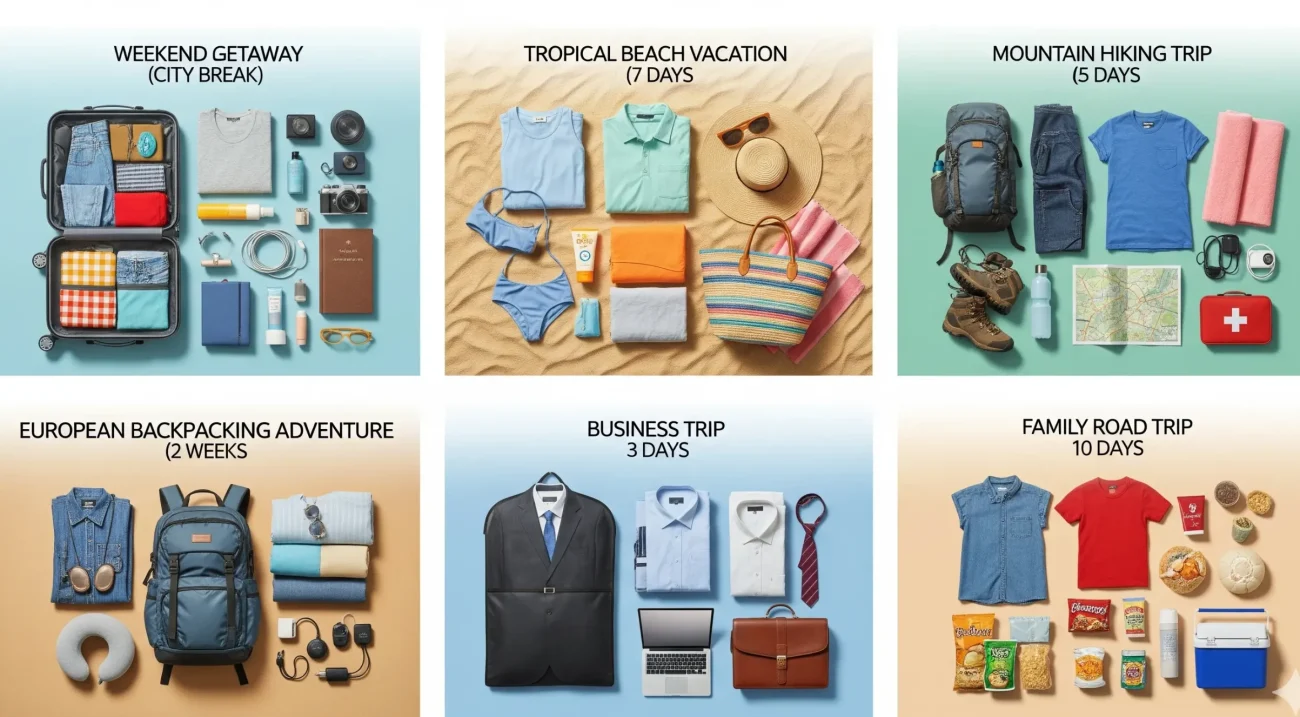
There is no point in packing the same way each time. One should pack what goes into the bag depending on where you are going and the period of time you are going to spend there. This is a very basic concept but it can prevent you from packing too much and ensure that you feel more prepared.
Seasonal Packing Tips
- Warm places: Light fabrics, sandals, sunscreen
- Cold places: Layers, jackets, gloves
- Rainy spots: Compact umbrella, waterproof shoes
Adjusting for Trip Length
- Weekend trips: 1 pair of shoes, 2 outfits, 1 backup
- 1 week: 4–5 outfits you can mix and match
- Long stays: Rewear items, plan laundry stops
Watch for Local Rules
Some places have clothing rules. For example, in certain countries, covering shoulders or knees may be expected in temples or churches. Also check if airport security or customs rules affect what you can bring.
Packing smart for your destination is one of the best packing methods for travel — it keeps your bag light and your trip smooth.
Organizing Toiletries and Liquids for Security
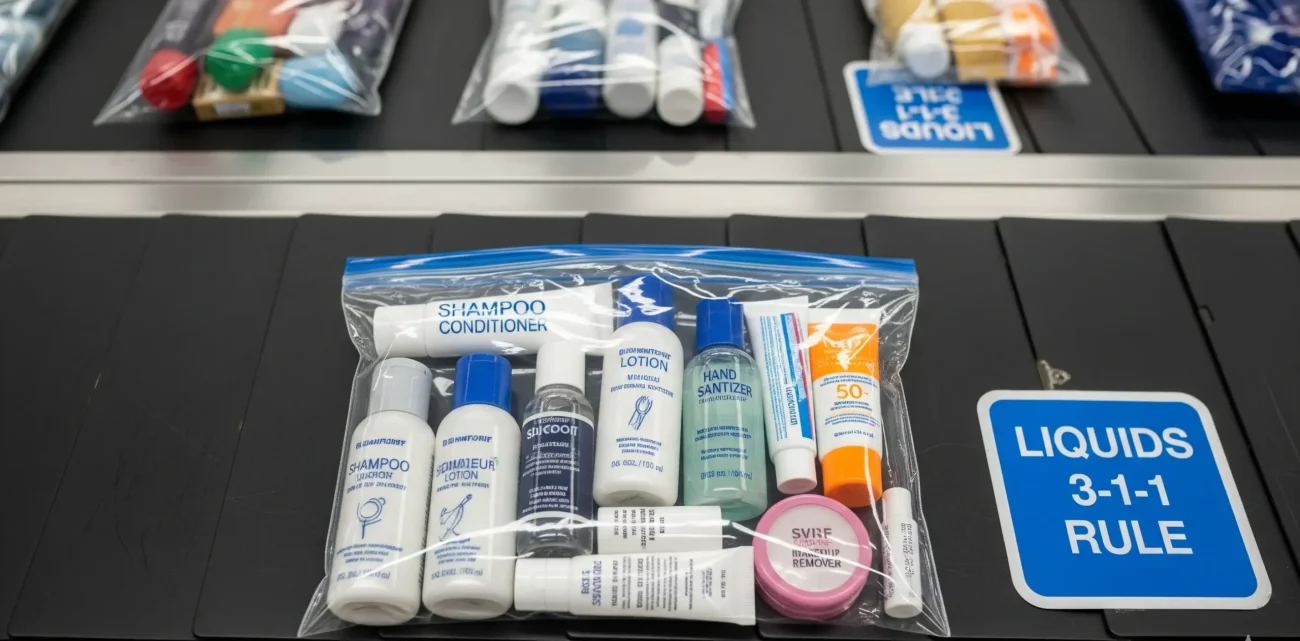
Airport security can be a pain, but with the right setup, your toiletries won’t slow you down or leak in your bag.
TSA Liquid Rules (U.S.)
- Only liquids under 3.4 oz (100 ml)
- All must fit in one clear, quart-sized bag
- Keep this bag easily accessible for screening
How to Prevent Leaks
- Use tape to seal bottle caps
- Store bottles in zip-top bags
- Avoid overfilling — leave room for pressure changes
Best Travel Containers
- Silicone bottles that won’t crack
- Twist-lock caps to prevent spills
- Mini jars for creams or hair products
I once had shampoo explode in my bag on a long-haul flight — not fun. Since then, I only use soft travel bottles and double-bag my liquids. It takes a minute but saves hours of cleanup.
This small habit is a big part of the best packing methods for travel — it protects your stuff and keeps you stress-free.
Packing Shoes Without Wasting Space
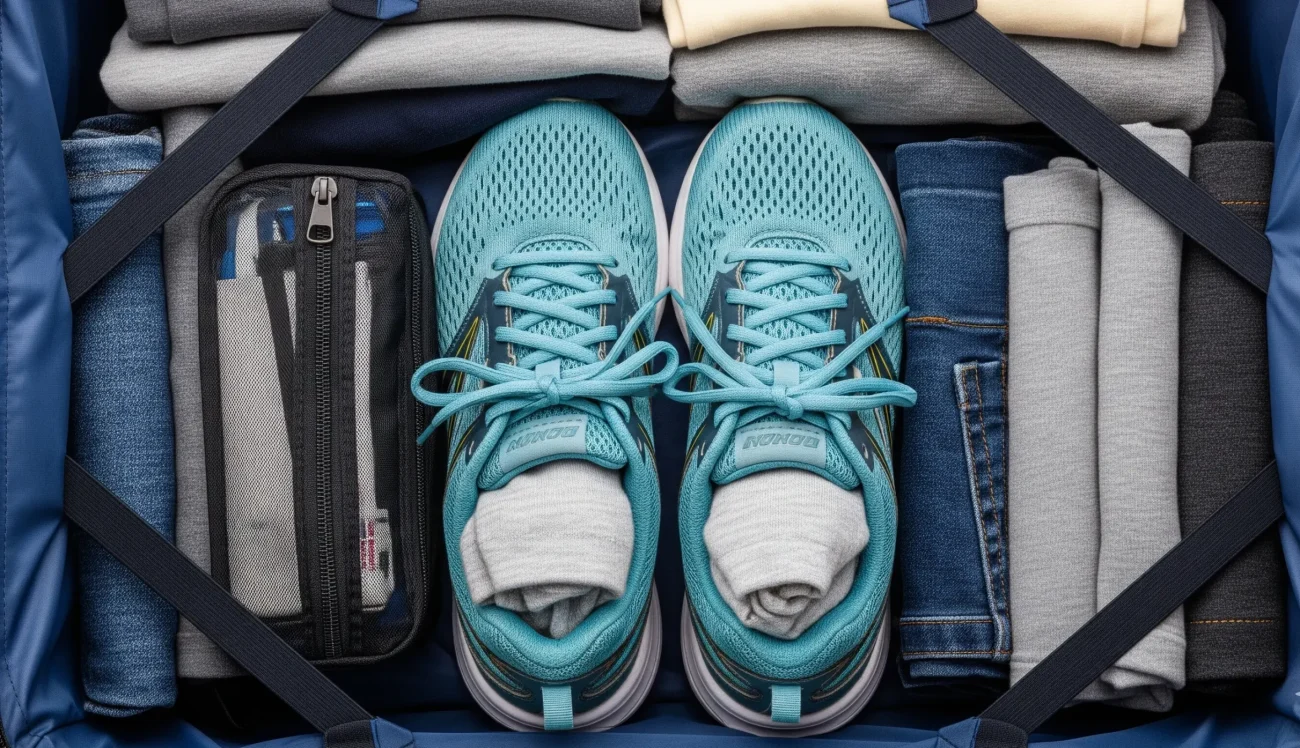
Shoes are heavy and occupy a lot of space but there is a more intelligent way of storing them. This is the way I avoid my shoes taking up unnecessary space and ruining my clothes.
Store Small Stuff Inside
- Socks
- Chargers
- Jewelry in small pouches
Filling the inside of shoes uses dead space and helps them hold their shape.
Shoe Bags vs Wrapping
- Shoe bags: Keep dirt off clothes, reusable
- Plastic bags or old shower caps: Cheap and simple
- Wrapping in clothes: Saves space but can get messy
Keep Them Fresh
- Pack shoes in plastic or cloth bags
- Add dryer sheets or tea bags inside for odor
- Wipe soles before packing
Whether you’re bringing sneakers or dress shoes, managing them well is part of the best packing methods for travel — clean, compact, and smart.
What to Keep in Your Carry-On (and Why)
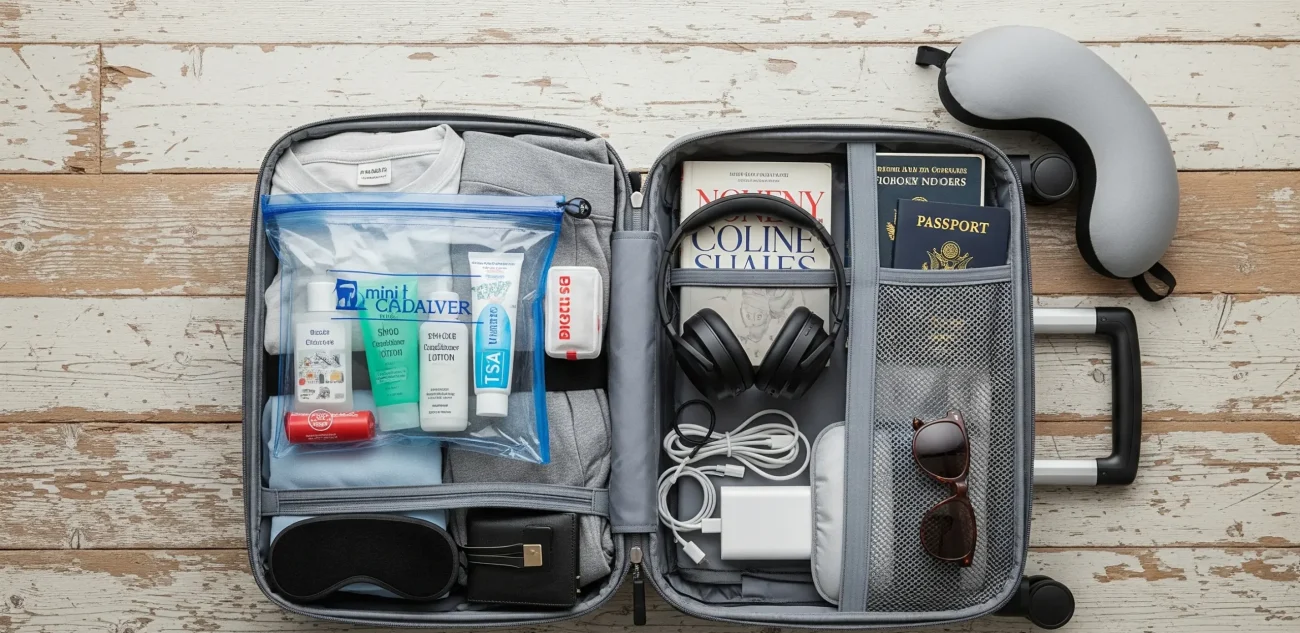
Your carry-on is not an emergency plan B, it is your airplane survival kit. Be it your baggage that has been delayed or some items you may want to reach with ease traveling with this bag is the solution.
Essentials Checklist
- Passport/ID
- Wallet and travel cards
- Phone and charger
- Headphones
- A change of clothes
- Snacks
- Any important medication
Flight Delay Prep
I always pack a toothbrush, small face wipes, and one full outfit. Once my flight was delayed overnight, and I had nothing to freshen up with — lesson learned!
Also keep something to pass the time, like a book or downloaded shows.
Health and Safety Items
- Hand sanitizer
- Face masks (just in case)
- Pain relievers or motion sickness meds
- Copy of your travel insurance info
If you’re stuck without your main bag, your carry-on should hold what you need to feel human. It’s a small but key part of the best packing methods for travel.
Digital Tools for Smarter Packing
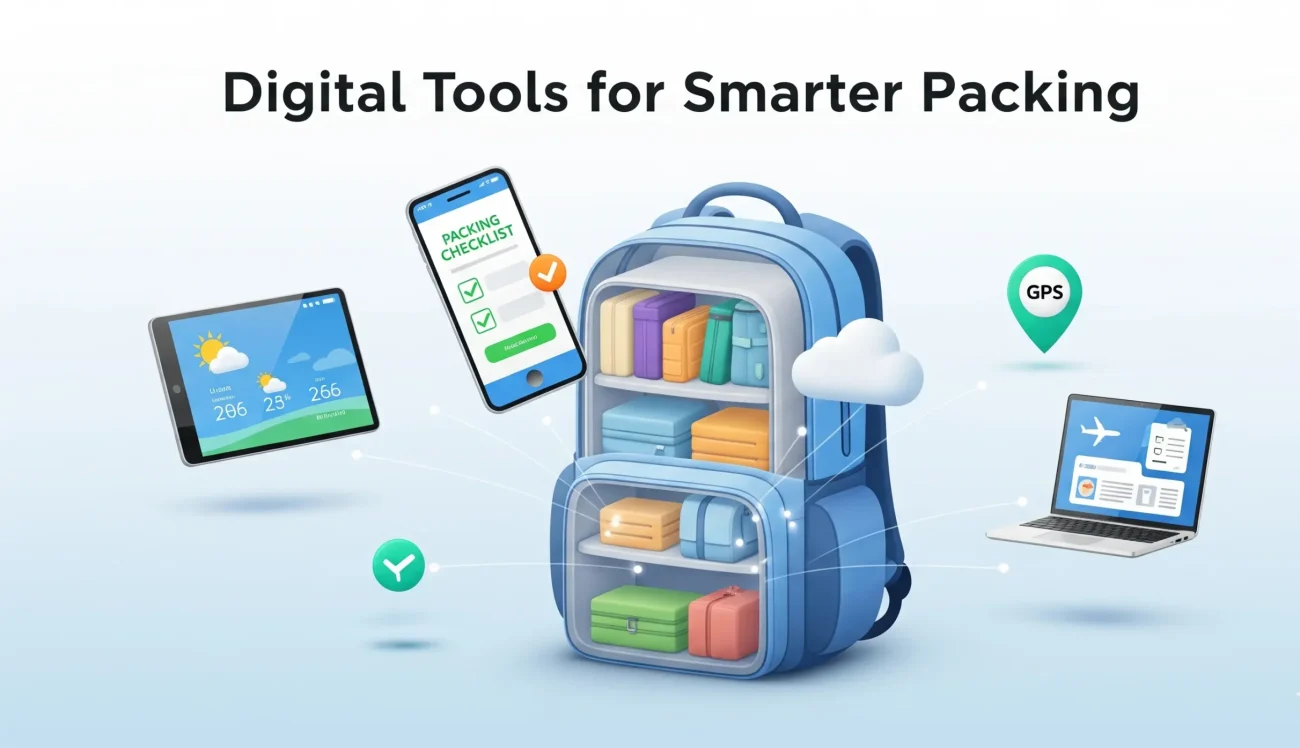
Your phone can do more than take selfies — it can help you pack smarter, lighter, and faster. I’ve used these apps and tools before every trip to avoid forgetting stuff or overpacking.
Packing List Apps
- PackPoint: Custom lists based on trip type
- Travel List: Reminders for last-minute items
- Bagsmart: Organize gear by bag section
Weather-Based Planners
Some apps check your destination’s weather and adjust your list. Going somewhere cold? It’ll remind you to add gloves or a coat.
AI-Based Packing Helpers
Tools like ChatGPT or AI travel planners can help build packing lists by answering a few questions about your trip.
These tools may seem small, but using tech is one of the smartest best packing methods for travel today — it saves time, stress, and guesswork.
Common Packing Mistakes to Avoid
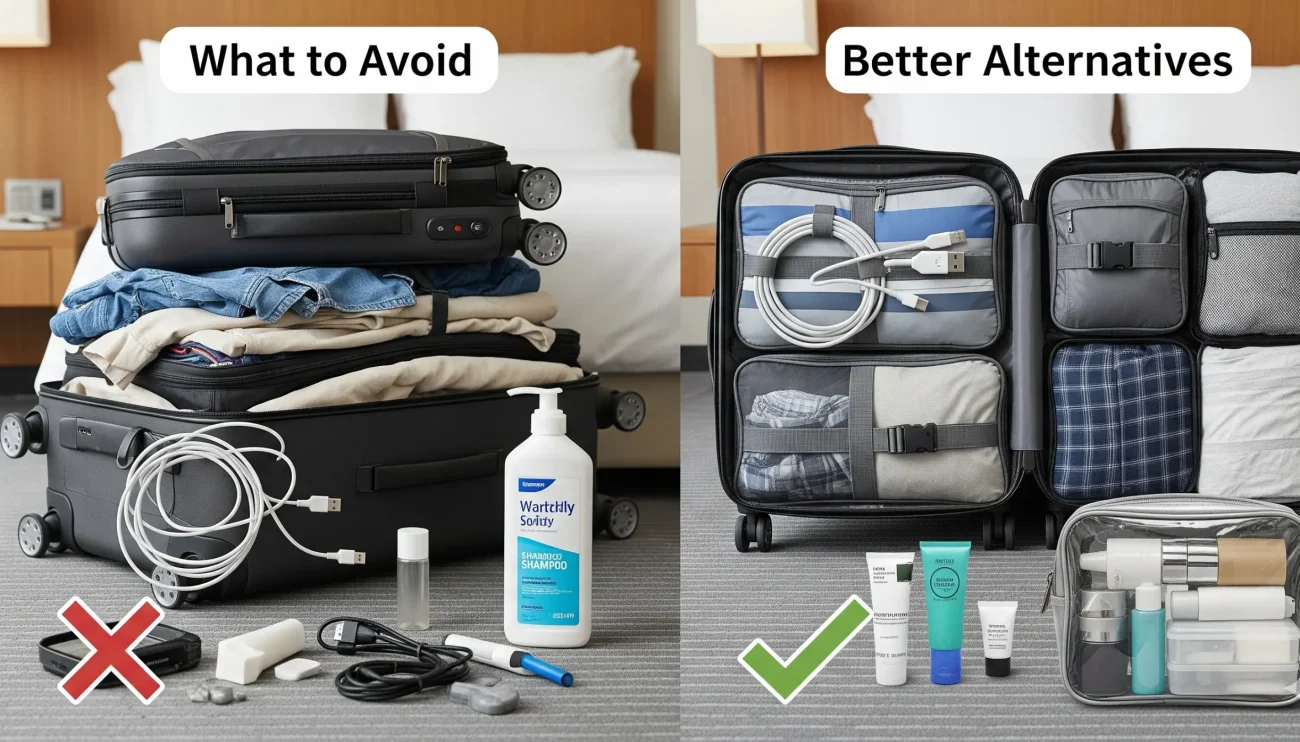
Even seasoned travelers mess this up — I definitely have. But once you know the biggest mistakes, they’re easy to avoid.
Overpacking Traps
- “Just in case” items you never use
- Too many shoes
- No plan to do laundry
If your bag’s hard to close before the trip starts, it’s probably too full.
Airline Rules? Don’t Ignore Them
Each airline has its own size and weight limits. I once had to reshuffle my whole bag at the check-in counter. Now I always double-check their site before packing.
Messy Organization
- Loose cords
- Toiletries tossed in
- No order to clothes
Use packing cubes or zip bags to group items. It makes finding things much easier.
Avoiding these mistakes is part of what makes the best packing methods for travel actually work — you travel lighter, smoother, and with less stress.
Frequently Asked Questions
Aim for 4–5 mix-and-match outfits, plus 1 nicer option and 1 set of comfy clothes. You can repeat bottoms, layer tops, and wash things if needed. This keeps your bag light without sacrificing options.
Yes, but it’s not the best idea. Items like laptops, tablets, or cameras can get damaged or stolen in checked bags. I always pack electronics in my carry-on, along with chargers and power banks.
- Wrap them in soft clothes or bubble wrap
- Place in the center of your suitcase
- Surround with padding (like socks or shirts)
- Label your bag as “fragile” if checking it
Fragile items need protection, and good suitcase organization helps a lot. Smart answers to questions like these are part of using the best packing methods for travel based on real travel packing research.
Conclusion
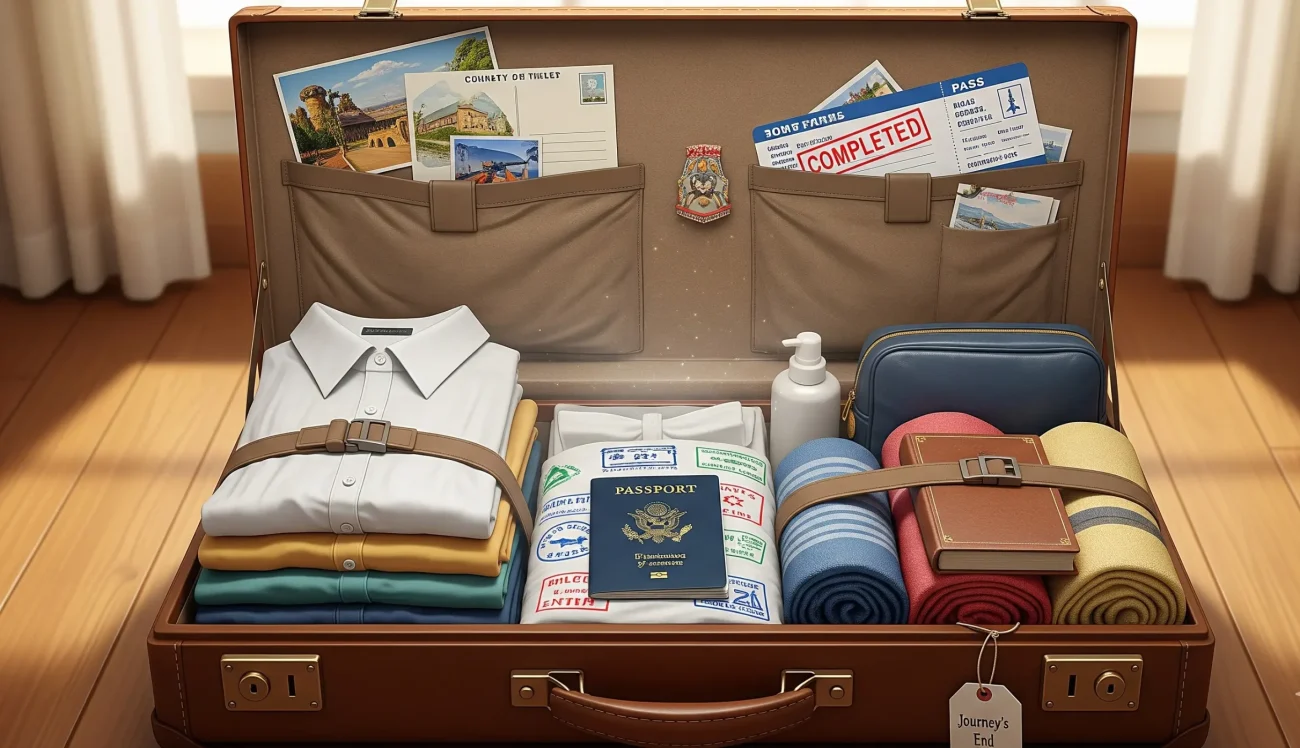
Packing doesn’t have to be stressful or chaotic. Whether you go with bundle wrapping, Ranger Rolling, compression bags, or packing cubes, each method has its place — and using the right one depends on you.
- Want wrinkle-free clothes? Try bundle wrapping
- Need to pack super tight? Use the Ranger Roll
- Love to stay organized? Go for packing cubes
I’ve done diff implementations for diff trips. What you need to do is experiment with what works for your own travel way. By combining techniques and learning from actual travel packing research, you can create your own system — one that is simple, wise and hassle-free.
Utilize these hack and tips to take your suitcase organization to the next level. It’s not just about packing in– it’s about traveling well
