
Blog
Essential Travel Kit Safety Items for Safe and Easy Trips

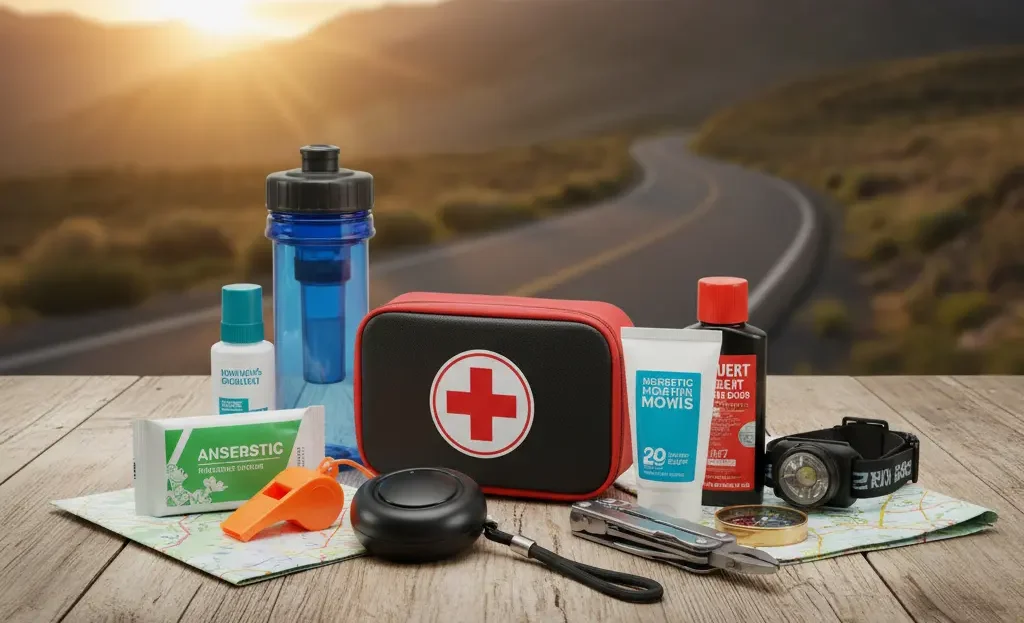
Surprises can happen on a trip, and the presence of the right travel kit safety items can be the difference. Travel safety gear is a small bundle of handy items that can keep you safe and comfortable on the road. You can pack them whether traveling alone, with family or work and this is one of the smart things to do in safe travel packing.
I always keep my kit handy, just in case I’m in for anything – from small cuts to unexpected delays. It’s not about overpacking, but being prepared with the right essentials that will fit your trip.
Why Every Traveler Needs a Safety Kit

Something may happen anywhere you go. You may fall ill, be injured or have poor weather. In some cases, travel delays put you in a situation where you require something. That is the reason to carry a travel safety kit.
Small emergencies, such as headaches or cuts, can be dealt with with the right items. You can also save yourself from health hazards and remain secure against the sun or insects. An excellent kit also comes in handy in the case of delays or in situations where you have to navigate your way in new areas.
I always have my kit since it leaves me at ease. Being aware of the fact that I have the right tools, I can have a good time on my trip without any concerns.
Core Components of a Travel Safety Kit

A good travel safety kit has several key parts that cover different needs. Here’s a quick look at what you should include:
- First Aid Supplies: Bandages, antiseptic wipes, scissors and pain relief basics.
- Medications: Personal prescriptions, over-the-counter medicines such as painkillers and allergy pills.
- Emergency Tools: Flashlight, multi-tool, whistle and extra batteries
- Personal Protection Items: Face masks, hand sanitizer, gloves and insect repellent.
- Documents & ID: Copies of your passport, insurance, medical info and emergency contacts.
- Tech & Connectivity: Portable charger, phone cables, SIM cards and useful travel apps
- Environment-Specific Items: Sunscreen, rain poncho, thermal blanket or mosquito net, depending on where you’re going
Packing in these categories keeps you prepared for most travel surprises in a small kit.
First Aid Basics: Must-Have Items
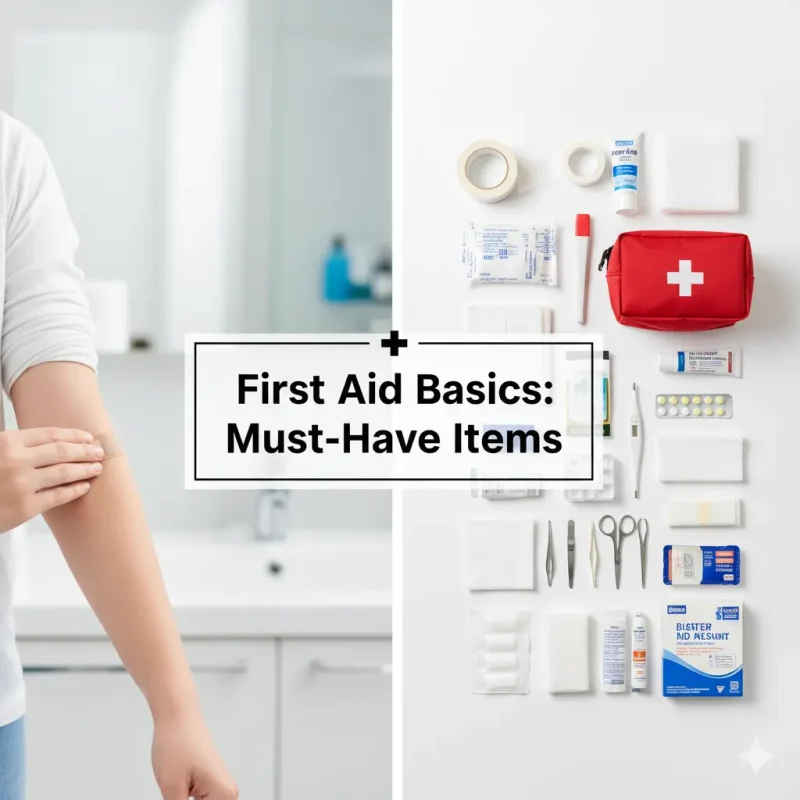
Small injuries need basic travel kit safety items that can save the day when you are on the road. Here are the must-haves:
- Bands to cover scrapes and cuts.
- Antiseptic wipes and gauze to clean up.
- Splinter removal tweezers and scissors or bandage cutting.
- A thermometer to test your temperature.
- Small area cleaning cotton swabs.
- Steri-Strips or butterfly closures to assist in closing minor cuts.
- Aloe gel to soothe burns
- A cold pack to cut inflammation.
These first aid essentials aid you in dealing with everyday injuries quickly and stay on schedule with your trip.
Managing Minor Illnesses on the Road
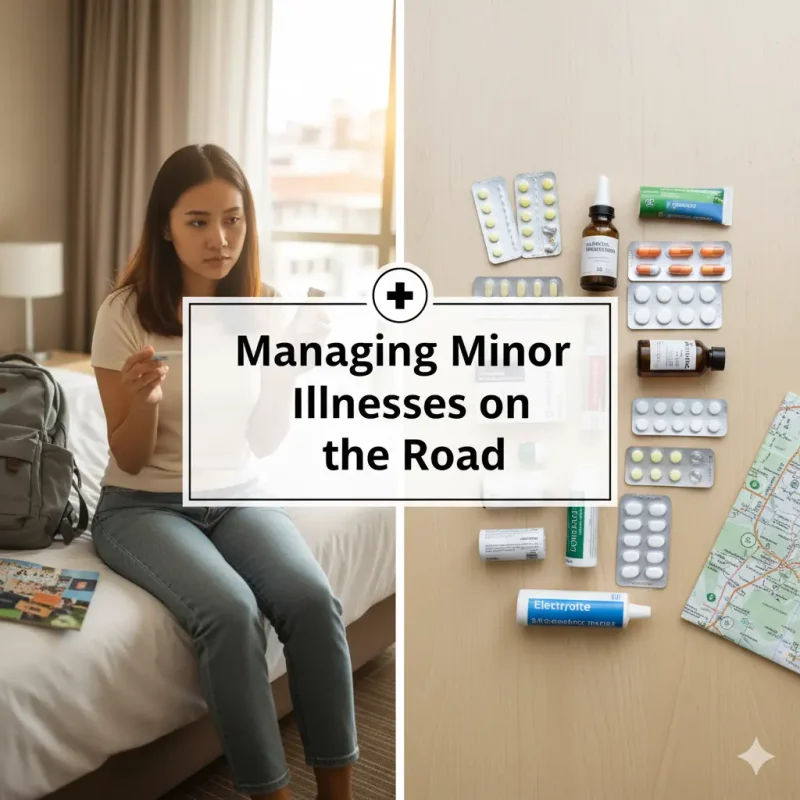
Besides injuries, minor sickness can happen while traveling. Your travel kit safety items should include these medicines:
- Pain relievers like acetaminophen or ibuprofen for headaches and aches
- Antacids to settle upset stomachs
- Antihistamines for allergies or skin reactions
- Anti-diarrheal medicine to stop diarrhea
- Motion sickness tablets like meclizine or dimenhydrinate if you get car or seasick
- Oral rehydration salts to keep you hydrated if you are sick or overheated
Having these ready means you can feel better quickly and enjoy your trip without worries.
Packing Travel Medications Safely
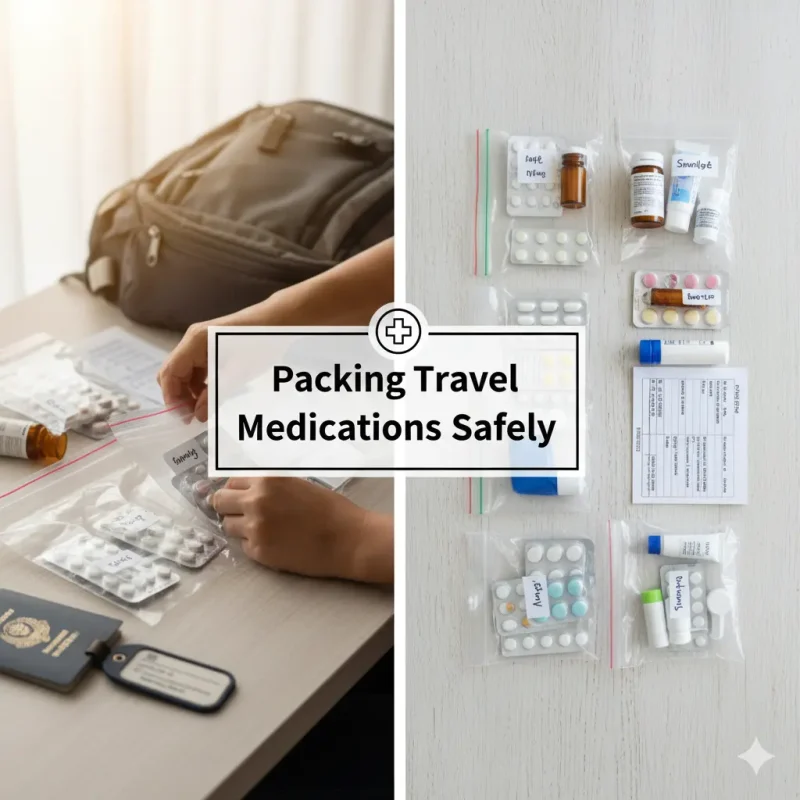
When you pack your travel kit safety items, be sure that your medicines are secure and simple to utilize. Carry your own prescriptions with copies and labels. Don’t forget to bring an epinephrine auto-injector in case of allergies.
Carry a medical identification tag and directions on the dosage of medicine to take. Keep everything in small containers or pill containers so that everything is tidy and convenient to retrieve. In this manner, you will not lose or get confused with your medicines during a journey.
Destination-Specific Medications and Vaccines

Certain destinations require specific medicines and vaccines before your visit. This matters to your travel kit safety items. E.g., you may require prophylaxis medicine to stop malaria or altitude sickness drugs in case you are visiting high locations.
Remember to always bring a copy of your immunization record such as the International Certificate, to demonstrate immunizations. Research the vaccination requirements in your destination, thereby knowing what you need to be vaccinated or what medications. A list of travel-specific medications will help you stay healthy regardless of the place you visit.
Emergency Tools to Handle the Unexpected

When you travel, small emergencies can happen anytime. Your travel kit safety items should include handy tools to help you stay safe:
- A mini LED flashlight with extra batteries for light when you need it
- A Swiss Army knife or multi-tool for quick fixes
- Reflective vests, flares, or door stop alarms to keep you visible and safe
- Emergency blankets and a bivvy sack to stay warm if you’re stuck outside
These tools are small but can make a big difference in a tricky situation.
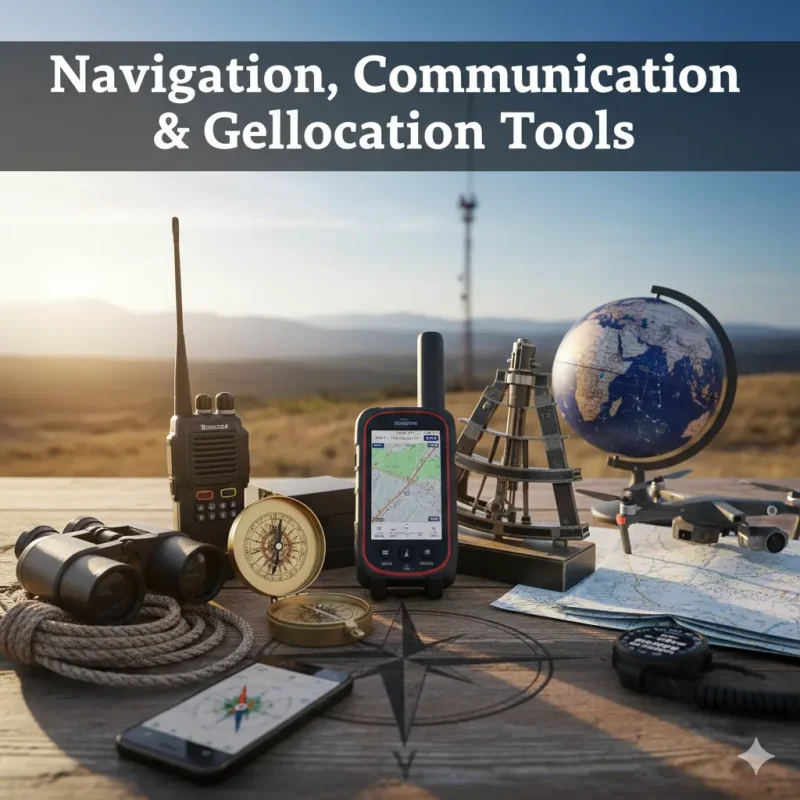
Navigation, Communication & Geolocation Tools
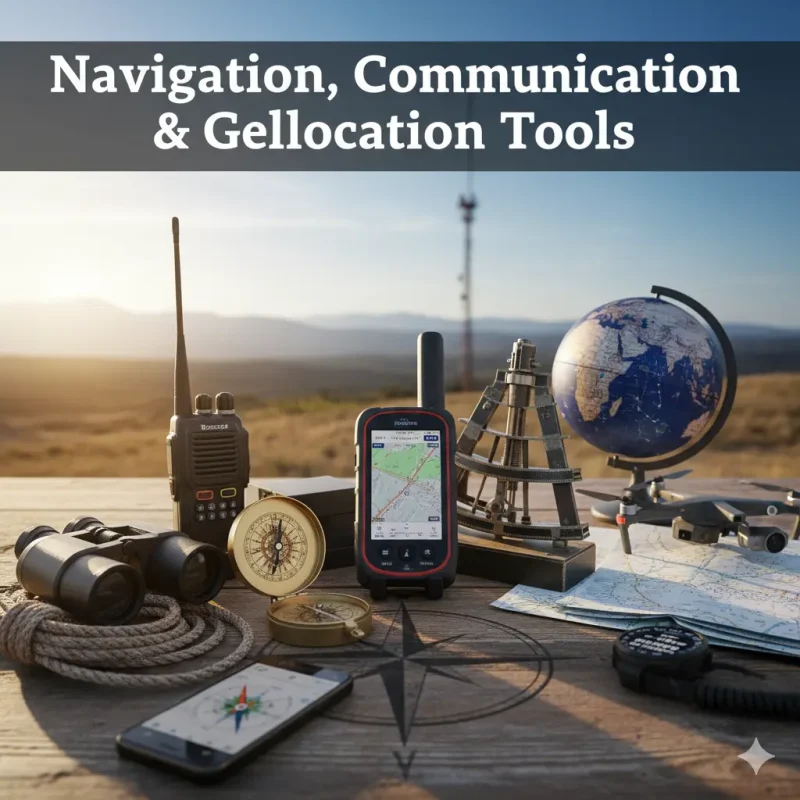
When you have the right gear, it is easy to find your way. Bring these to your travel kit safety items:
- Paper maps and a compass should your phone run out.
- Useful travel applications, such as What3Words to find an exact place and SOS apps in cases of emergency.
- Language translation cards to use in places where you do not speak the language.
- Chargers, power banks and SIM adapters to keep your gadgets functioning.
These applications ensure you are always in touch and on schedule no matter the location.
Personal Protective Equipment for Travel
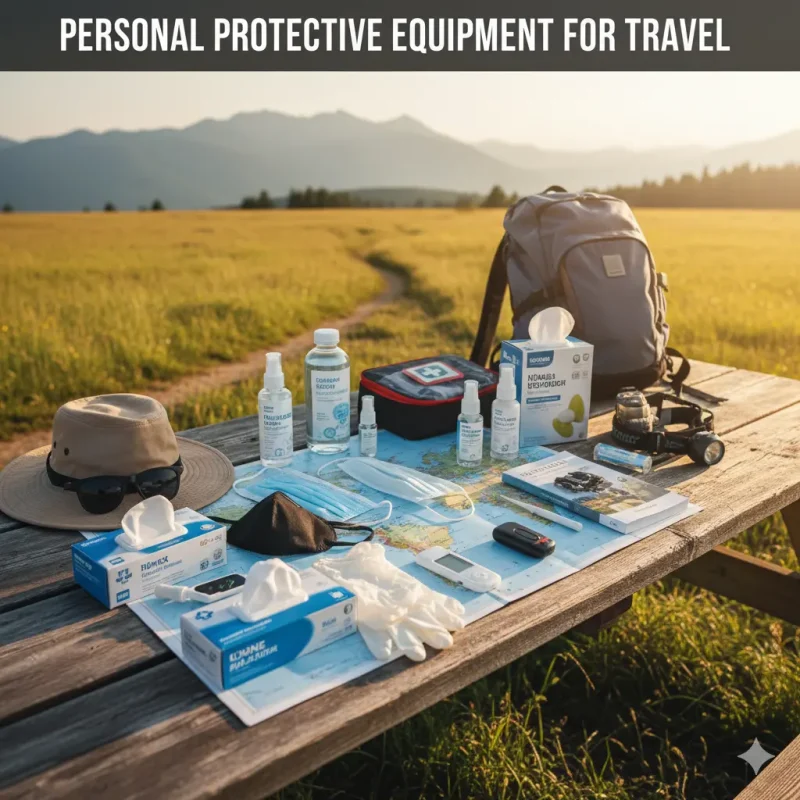
It is easier to stay healthy on the go when you are traveling with the right protection. Your travel kit safety items should include:
- Surgical or N95 face mask to prevent contact with germs.
- Extra safety of nitrile or latex gloves.
- Wipe your hands with alcohol hand sanitizer.
- Eye drops to keep the eyes tired down to earplugs to keep the ears hushed.
These are the basic things that you need to be safe and comfortable on your trip.
Sun and Insect Protection Essentials
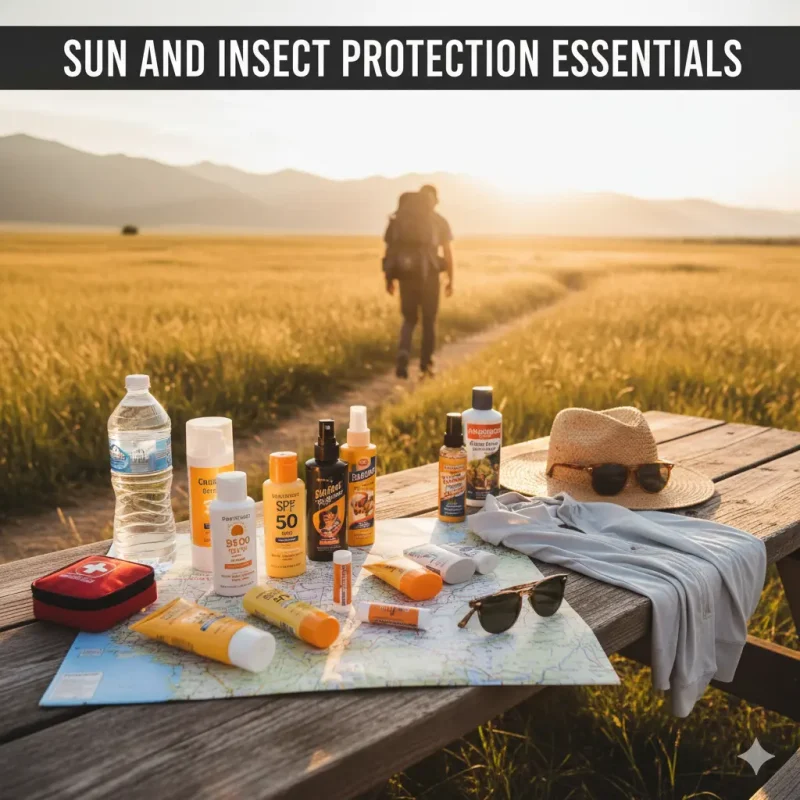
The sun and bugs can be a pain in your travels, so add them to your list of travel kit safety items:
- Use an SPF of 30 or above sunscreen to keep your skin out of the sun.
- Use DEET or Picaridin insect repellent to keep mosquitoes off.
- UPF-rated garments and lip balm with an added SPF to boost sun protection.
- Mosquitoes tend to sleep outside or in high-buggy places.
These will allow you to have a nice trip without concerns of sun damage or bites.
Health and Identity Documents
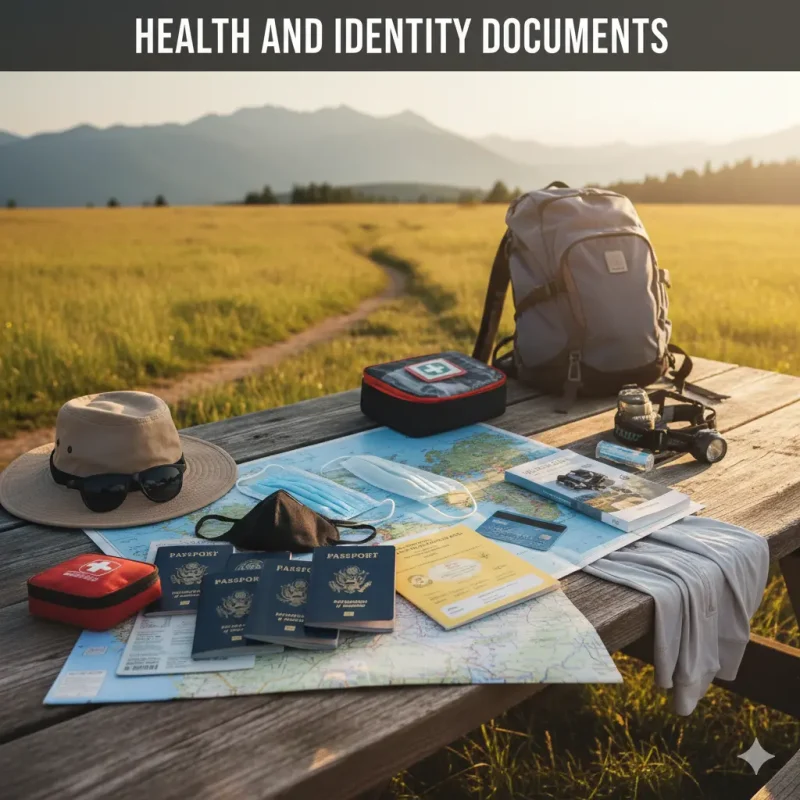
One of your travel kit safety items is to keep your important papers safe. Carry your medical ID card and your emergency contacts list at all times in case of emergency.
It is prudent to carry a list of your prescriptions and any allergy information. Also ,remember your insurance card and contact details of your country’s embassy or consulate. They can help in case of an emergency abroad.
The organization of these documents into easily accessible forms provides you with peace of mind when you are on the trip.
RFID Protection and Travel Security
Securing your personal data on the move is as crucial as taking the right equipment. Carry an RFID blocking wallet or passport pouch to prevent thieves from scanning your cards and passport without your knowledge.
Always keep duplicate copies of your IDs apart and not with the original ones in case of loss or theft. Besides, you should carry your credit cards and passport in a secure location to avoid fraud or loss.
These measures will provide a valuable level of protection to your travel kit safety items and will contribute to the security of your identity.
Frequently Asked Questions
Pack bandages, antiseptic wipes, pain relievers, personal medicine, flashlight, hand sanitizer and essential documentation.
Yes. Carry medications in their original packs with a prescription. Syringes and liquids are permitted in a sensible number.
Include kid-friendly medications and fun bandages for kids. In the case of seniors, add additional equipment such as blood pressure devices or assistive devices.
Yes. International kits can require special medicines, special drugs, and additional documents. Basic first aid and equipment are domestic kits.
Be sure to check and refresh your kit each trip. Change outdated or worn-out supplies and revise forms.
