
Blog
Winter Travel Packing List: 7 Must-Haves for Cold Trips

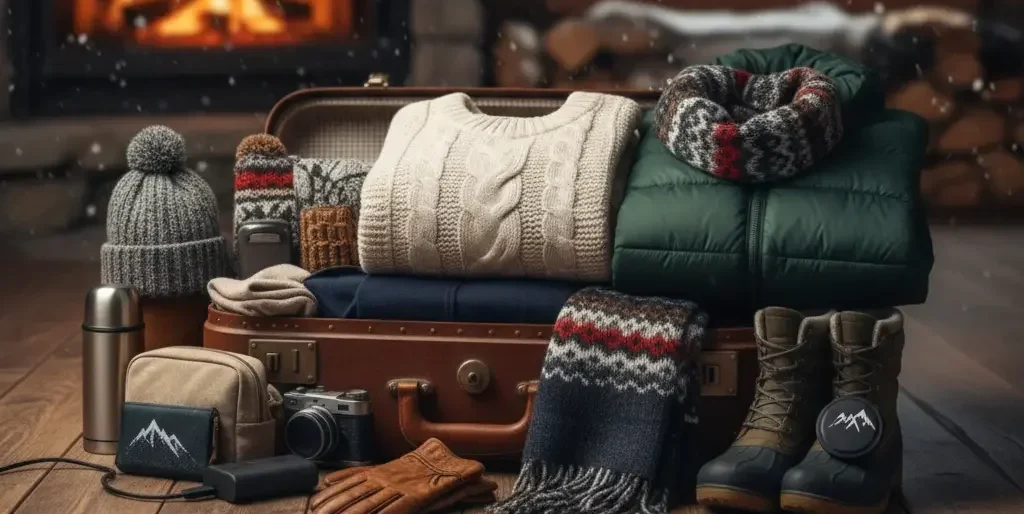
Winter vacations are fun but they are not easy to pack. The weather is colder and it requires more layers, heavy clothes, and additional equipment just to be warm and dry. When you stuff too much it becomes a bulky bag. Unless you remember the correct things, you are going to be chilly and clothed. This is why it is so important to have a smart winter travel packing list. The right cold weather travel items help you stay cozy, move easily, and enjoy your trip without stress. In this guide, I’ll walk you through the winter trip gear that seasoned adventure guides say you really need—nothing more, nothing less.
When you’re heading into the cold, packing smart isn’t just about bringing more clothes — it’s about bringing the right clothes. After digging through advice from experienced adventure guides, I’ve found the 7 essential items that truly make or break a winter trip. These aren’t just nice-to-haves — they’re the things that keep you warm, dry, and comfortable no matter where the snow takes you.
Here’s a quick look at what should be on every serious winter travel packing list:
- Thermal Base Layers to Retain Core Warmth
- Insulated and Waterproof Outerwear for All Conditions
- All-Terrain Winter Footwear with Traction
- Weather-Proof Accessories to Block Cold Exposure
- Smart Layering Items for Flexibility and Comfort
- Travel-Smart Packing Tools for Space and Weight Optimization
- Adventure Gear & Winter-Specific Health Essentials
Let’s start with the one thing you should never skip — thermal base layers.
Thermal Base Layers to Retain Core Warmth
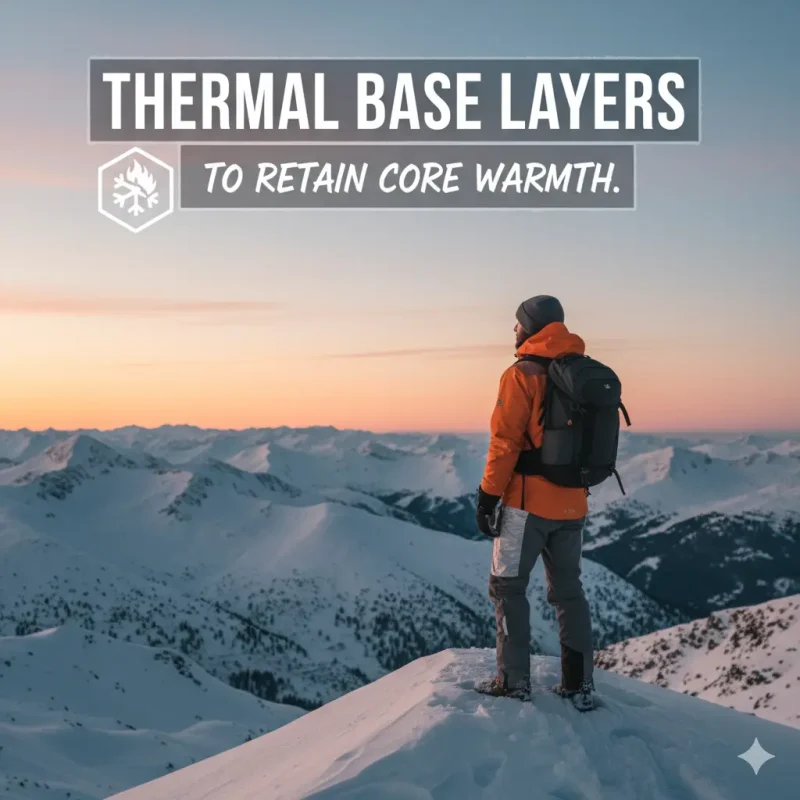
When packing clothes on a cold trip, this is the time when your clothing under garments matters. There, thermal base layers are used. They are the first things to wear on,–and they keep your body warm, because they trap in heat.
Good base layers must be soft and must be very close to the skin and must keep one dry. Find ones that are made out of merino wool or other moisture-wicking material. This assists in sweeping away the sweat to ensure that one does not get cold in the future. Once I had the wrong experience of putting on ordinary cotton leggings when I was on a cold trip in the winter; my legs were frozen till lunch time. I have since been wearing my fleece-lined leggings and thermal underwear every time.
Here’s what to pack:
- Warm leggings or long underwear that fit under your pants
- A long-sleeve top made from warm, stretchy fabric
- Look for words like “thermal,” “fleece-lined,” and “moisture-wicking” on the label
- Avoid cotton — it holds moisture and makes you cold
These base layers are your first line of defense against the cold. If you wear the right ones, the rest of your winter gear works even better.
Insulated and Waterproof Outerwear for All Conditions
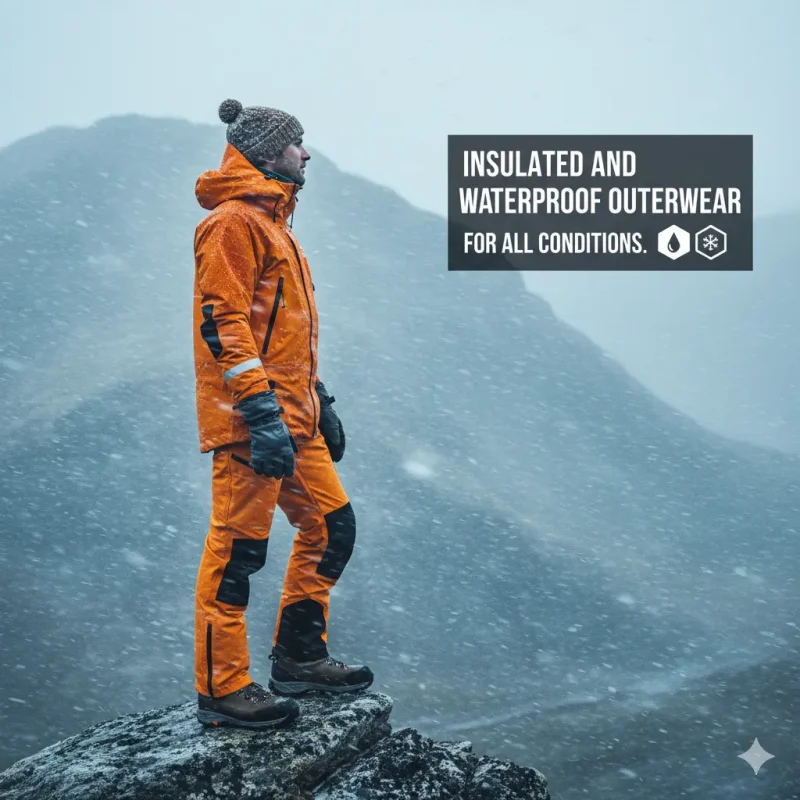
There is no use in having your trip and being wet and freezing. That is why insulated and waterproof outerwear is on your packing list of winter travel items as a first priority. It is the jacket or coat that keeps you out of the wind, rain and snow.
Look for a snow jacket, down coat, or a packable puffer jacket. These retain the heat and the cold. Going outside to stay long? Get something made of Gore-Tex or some other waterproof shell–this will keep you dry but still allow your body to breathe.
Choose outerwear that is:
- Windproof and waterproof
- Insulated to hold body heat
- Made from breathable materials, so you don’t get sweaty and cold
If you only bring one jacket, make sure it’s the right one. The wrong one can make your trip hard. A good one makes everything easier.
All-Terrain Winter Footwear with Traction
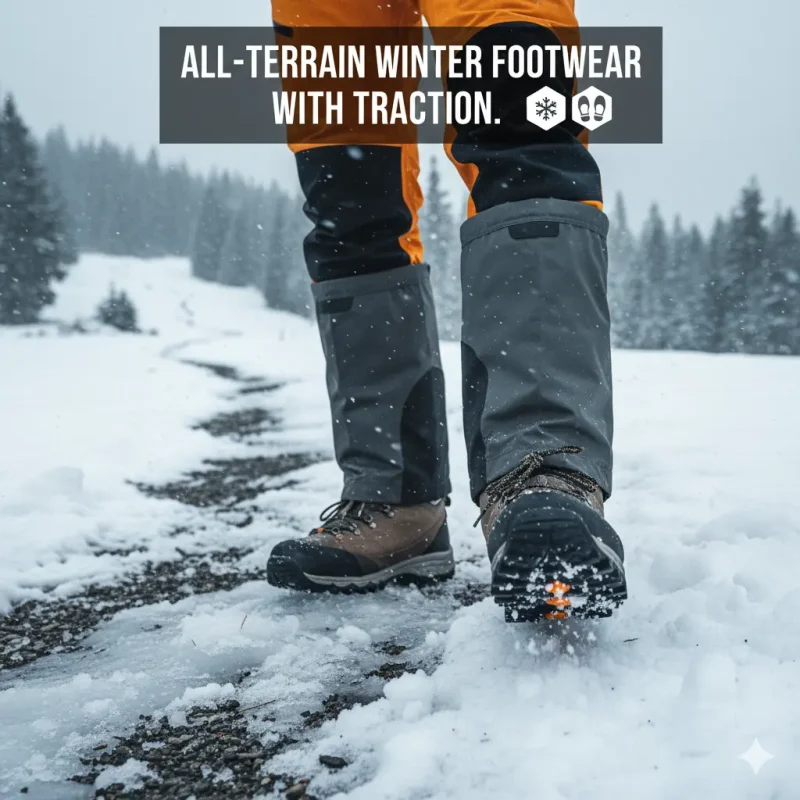
Your feet should remain dry and warm and safe. That is why the right winter boots are so important. Cold toes can ruin a trip fast.
In the case of snow or ice, waterproof boots with a good bottom are selected. Hiking boots with traction soles are also good in case you will be walking a lot. I never go away without an extra pair of heavy wool socks–they keep my feet warm even on the long days out.
Look for:
- Insulated footwear for cold protection
- Bottoms that don’t slip on ice or snow
- Room to wear thick socks
This is a must on every winter travel packing list. You’ll be on your feet a lot—make sure they’re happy.
Weather-Proof Accessories to Block Cold Exposure
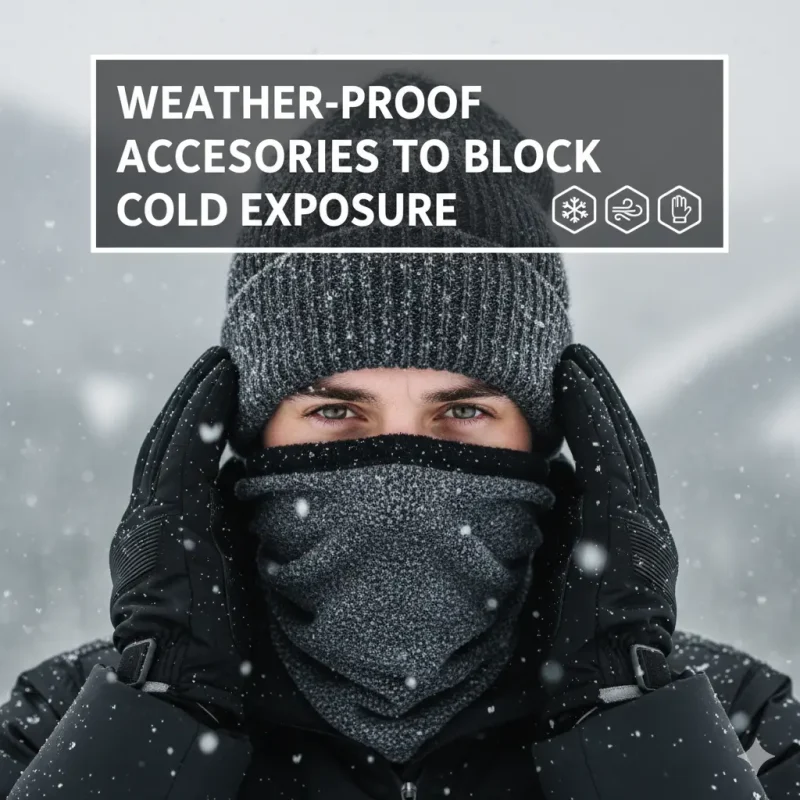
It is the little things in cold weather. Gloves, a hat, a scarf and thermal socks may be small items, but they safeguard sections of your body that get cold first.
One day I forgot my beanie when I was going to Colorado. The entire day my head was cold and I could not enjoy anything. I always check and make sure I have extremity protection before I depart.
Here’s what you need:
- Gloves (waterproof is better)
- A beanie or hat to keep your head warm
- Scarf or gaiter for your neck
- Anti-fog goggles if it’s snowy or windy
- Thick, thermal socks
These items help with head insulation and help prevent frostbite. Always pack them, even for short trips.
Smart Layering Items for Flexibility and Comfort
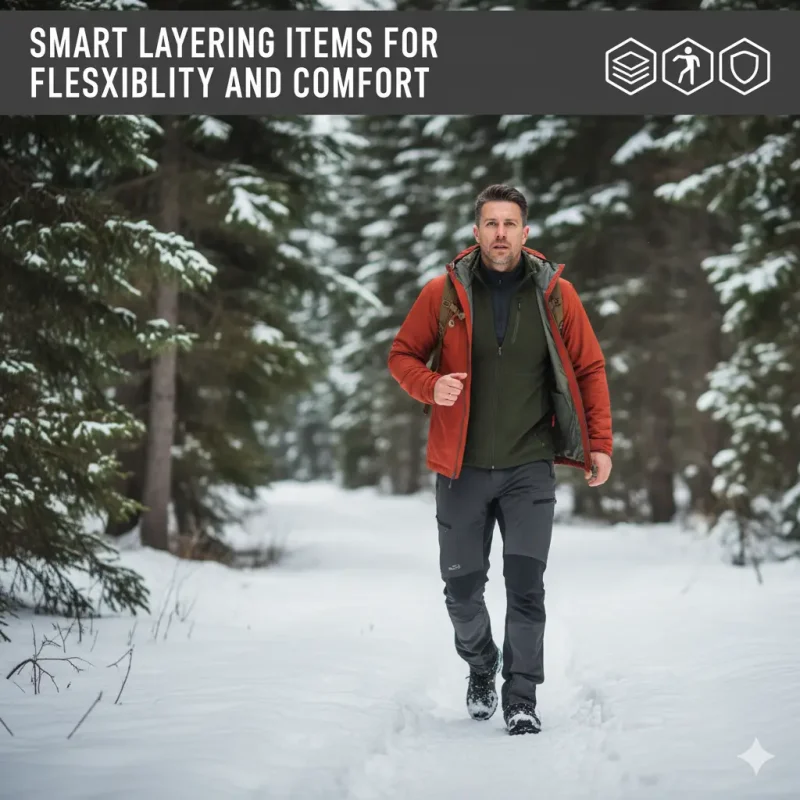
The trick to keeping warm and not being overheated is layering. You begin with your base layer and then top it with other mid-layers such as light jackets of fleece or long-sleeved warm-ups. It depends on the coldness and you can add or have them removed during the day.
This allows your clothing to be more stretchy and allows your body to control the temperature. Layers make it easy to change whether you are out on sightseeing or hiking.
Great mid-layer options include:
- A soft fleece jacket
- A warm sweater or pullover
- A long-sleeve shirt that fits over your thermal layer
These are easy to fold and don’t take up much space. A good layered system means you’re always ready for any weather.
Travel-Smart Packing Tools for Space and Weight Optimization
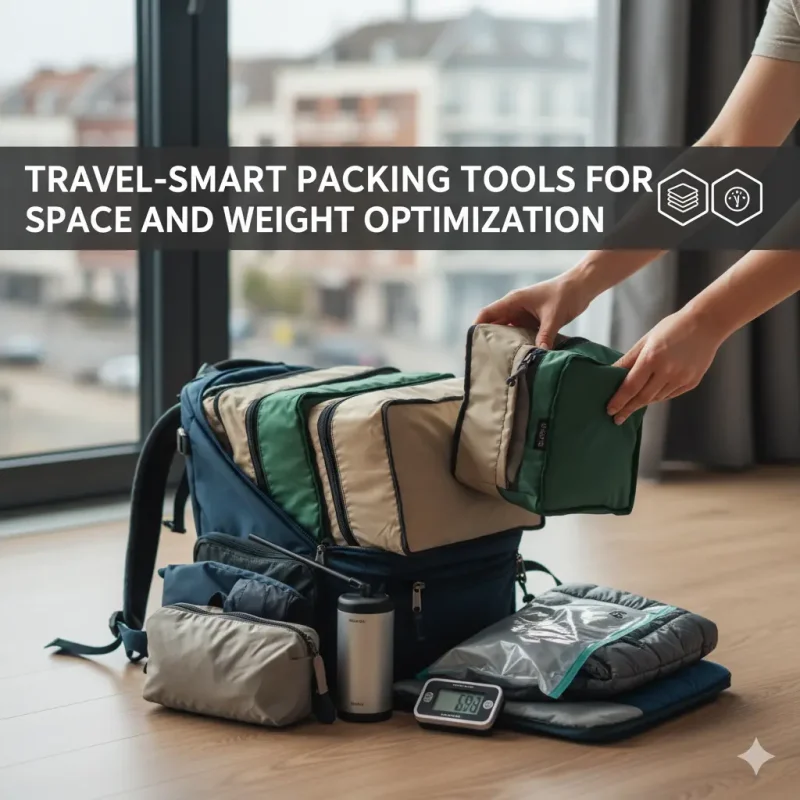
Winter clothes are more bulky. This is why they are smart packing tools and a lifesaver. The correct tools assist you in stuffing more in your bag and keep oit rderly.
Reduce the size of the bulky clothes with compression bags. Packing cubes are another thing that I use. When you are traveling a lot, expandable luggage is worth trying; the latter will provide you with additional space without the necessity to carry an extra bag.
Here’s how to pack smart:
- Roll heavy items and use compression bags
- Use packing cubes for tops, bottoms, and gear
- Choose a suitcase that can expand if needed
These tools help you maximize your carry-on and save space for souvenirs, too. They’re a must-have for any winter travel packing list.
Adventure Gear & Winter-Specific Health Essentials
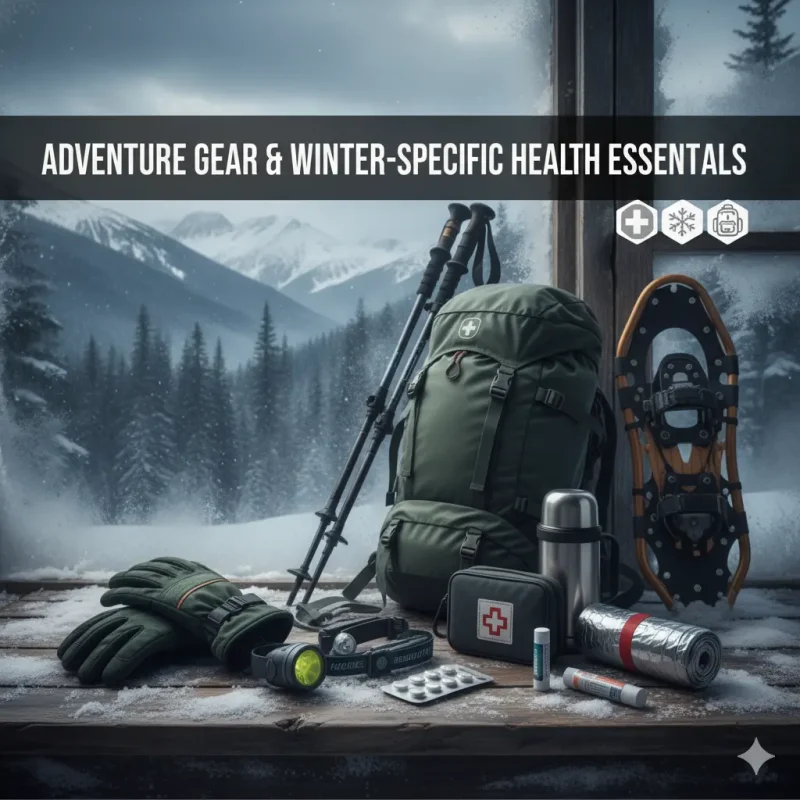
In cold weather, little things can make a big difference when you are outside. Consider items that will make you stay warm, stay healthy, and stay prepared to face any situation.
I will always carry a thermal bottle of water which will keep the drinks hot for a long time. A power bank is also wonderful to charge your phone during cold weather (batteries run out quicker). And be sure not to leave out self-care such as lip balm with SPF and sunscreen — even in winter!
Here’s what to pack:
- Thermal water bottle
- Power bank or portable charger
- Sunscreen and lip balm SPF
- First aid kit
- Hand warmers
- Emergency blanket
These items help with hydration, protection, and self-care. Together, they make your trip safer and more fun.
Absolutely — here are the final three sections written in simple, human-first style with clear structure, warm tone, and helpful guidance.
Winter Packing Checklist (Downloadable PDF or Printable)
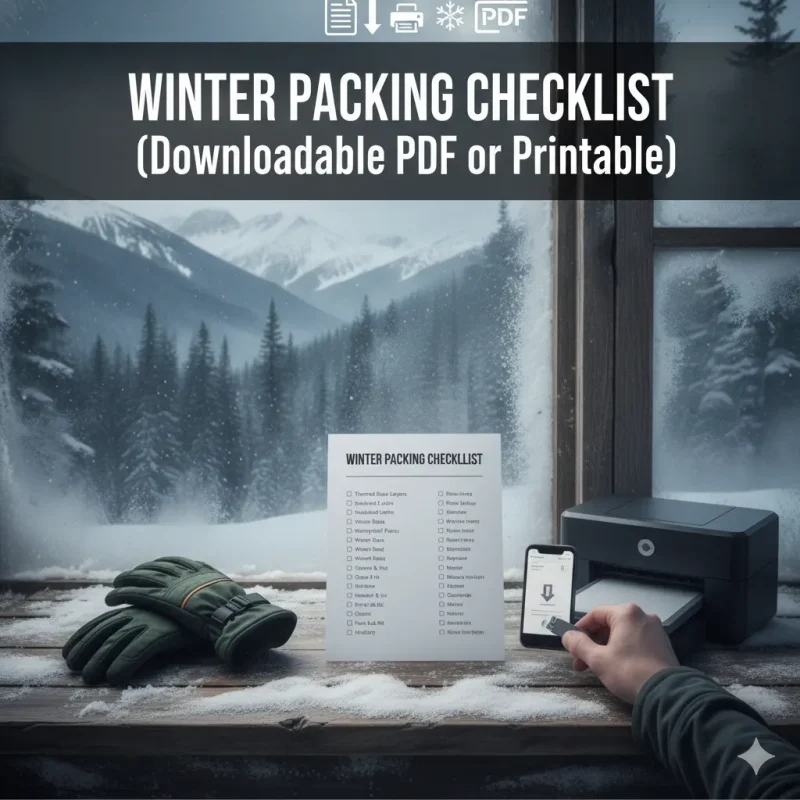
In need of a fast method of packing without forgetting? This is your full winter travel packing list in a checklist. You can copy, take a screenshot, or download a printable form that you can take with you.
Base Layers
- Thermal top (moisture-wicking)
- Thermal bottoms / long underwear
- Fleece-lined leggings
- Merino wool socks
Mid-Layers
- Long-sleeved shirts
- Light fleece jacket
- Warm sweater
Outerwear
- Waterproof winter coat/snow jacket
- Down jacket or puffer
- Windproof shell (Gore-Tex or similar)
Footwear
- Waterproof boots with grip
- Warm hiking boots
- Extra wool socks
Accessories
- Gloves (waterproof if possible)
- Warm hat/beanie
- Scarf or neck gaiter
- Anti-fog goggles (for snowy areas)
Packing Tools
- Compression bags
- Packing cubes
- Expandable suitcase or travel bag
Adventure Gear & Essentials
- Thermal water bottle
- Portable charger
- Lip balm with SPF
- Sunscreen
- First aid kit
- Hand warmers
- Emergency blanket
Pro Tip: Bookmark this list or print it before your trip. It’s a simple way to make sure you don’t forget anything important.
Frequently Asked Qs
It means wearing three layers:
- Base layer: Keeps you warm and dry (like thermal underwear)
- Mid-layer: Adds heat (like a fleece or sweater)
- Outer layer: Protects you from wind, rain, or snow (like a waterproof coat)
Wear your bulkiest clothes (like boots and a coat) on the plane. Thick items should be packed in compression bags and smart layers that can be mixed and matched should be packed.
Not always. When going to a city with not much snow, waterproof hiking boots that have a good grip may suffice. However, snow boots are superior when it is deep snow or icy.
No, and it is clever to take it on the plane. It folds into your bag and keeps you warm in the airports or when there is a delay.
Keep your phone and power bank near your body (in an inner pocket). Batteries are easy to run down in cold so put them in pockets or a bag that you have.
Hang clothes near a heater or in a warm, dry room. Roll wet socks or gloves in a towel to absorb water quickly. Do not use dryers when your items are not dryer safe.
Final Thoughts:

Winter packing does not need to be difficult. You can be ahead when you look at the 7 essential items, such as base layers, outerwear, boots, and smart accessories. Keep your winter travel packing list organized, save space, and avoid overpacking.
It is not to bring all, but the right things.
Dress in layers
Choose waterproof and windproof gear
Warm your body, hands, and feet.
Light but keep prepared against cold weather.
Heading towards the snowy mountains or a cold city vacation, this guide will keep you warm, safe and free of stress. You can save the checklist and send it to a friend and enjoy the trip!
