
Blog
9 Essentials Desert Trip Packing List You Should Never Forget

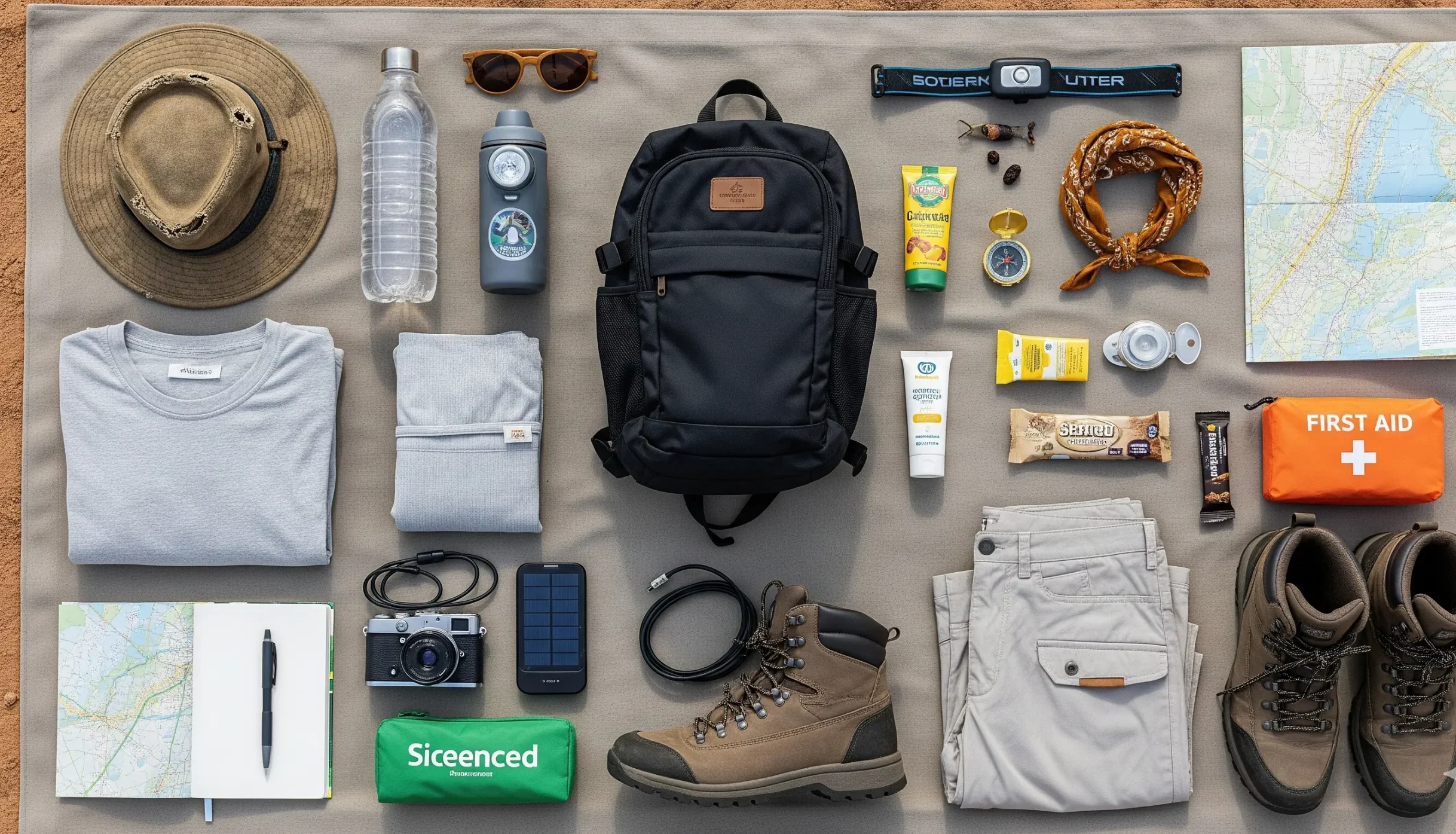
If you’re looking for a desert trip packing list, you’re in the right place. When you’re heading into a dry, empty place with almost no shade, you can’t just grab any travel bag and go. You need the right stuff. I’ve been out there with too little water and the wrong clothes — and I learned quickly that the desert doesn’t forgive lazy packing.
This guide is here to make it simple for you. I’ll walk you through the desert travel essentials you actually need. From hot climate travel gear like wide-brimmed hats and breathable shirts, to smart tools like hydration packs and backup maps, we’ll break it all down. These 9 gear categories are based on real experience and what actually works — whether you’re hiking, camping, or going on a desert road trip.
Let’s pack smart so you can enjoy the adventure, not survive it.
1. Water and Hydration Systems
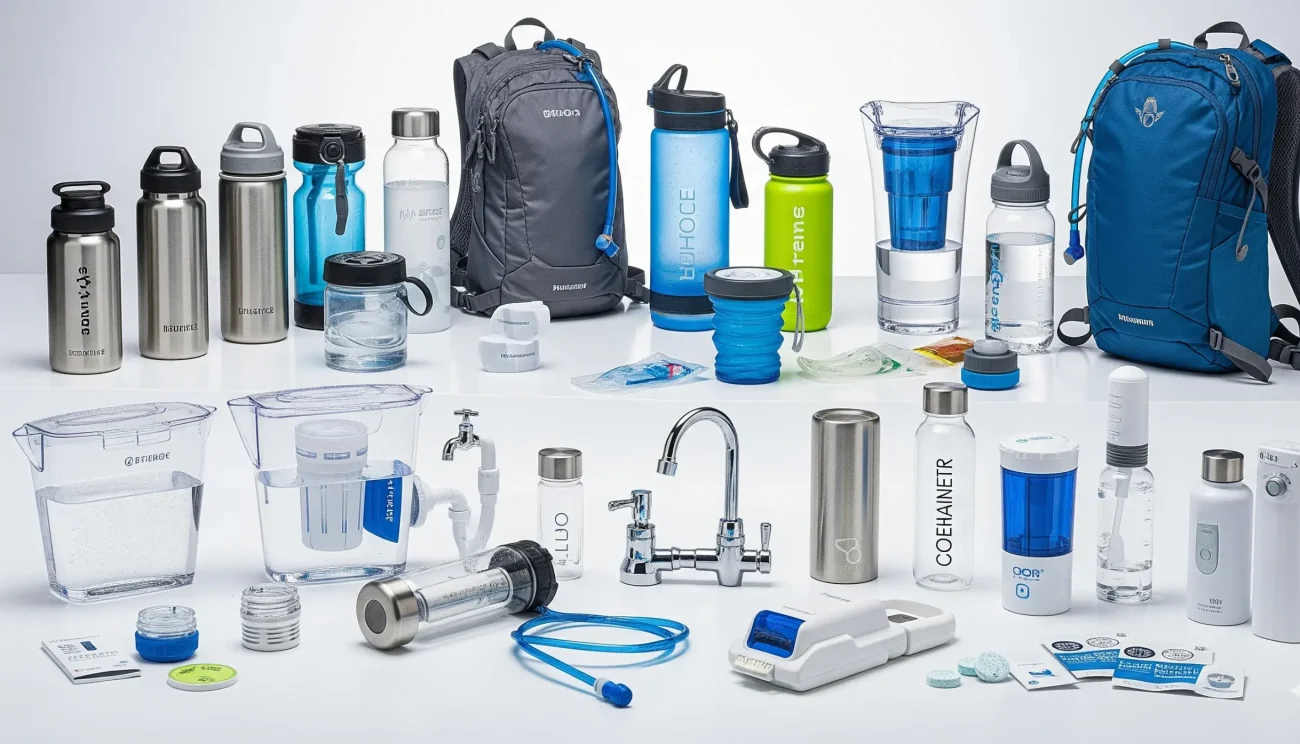
In the desert, staying hydrated is essential, arguably the most important item you’ll carry.
I always use a hydration bladder equipped with a drinking tube. It goes inside my backpack, and I can sip water while walking. For back up, I carry an insulated water bottle to keep water cool and collapsible containers for extra storage at the camp.
You should drink 2 to 4 liters of water daily depending on how physical your activities are. Avoid waiting to drink water till you feel thirsty; sip regularly. Feeling faint, dizzy, or urinating a darker color than normal are all indicators of dehydration.
I also replenish my body with electrolyte tablets or salt powders which restores what the body loses in sweat and helps maintain energy levels.
The golden rule is to always carry more water than you assume you will need, and in addition to that, drink small steady sips of water throughout the day.
2. Sun Protection Essentials
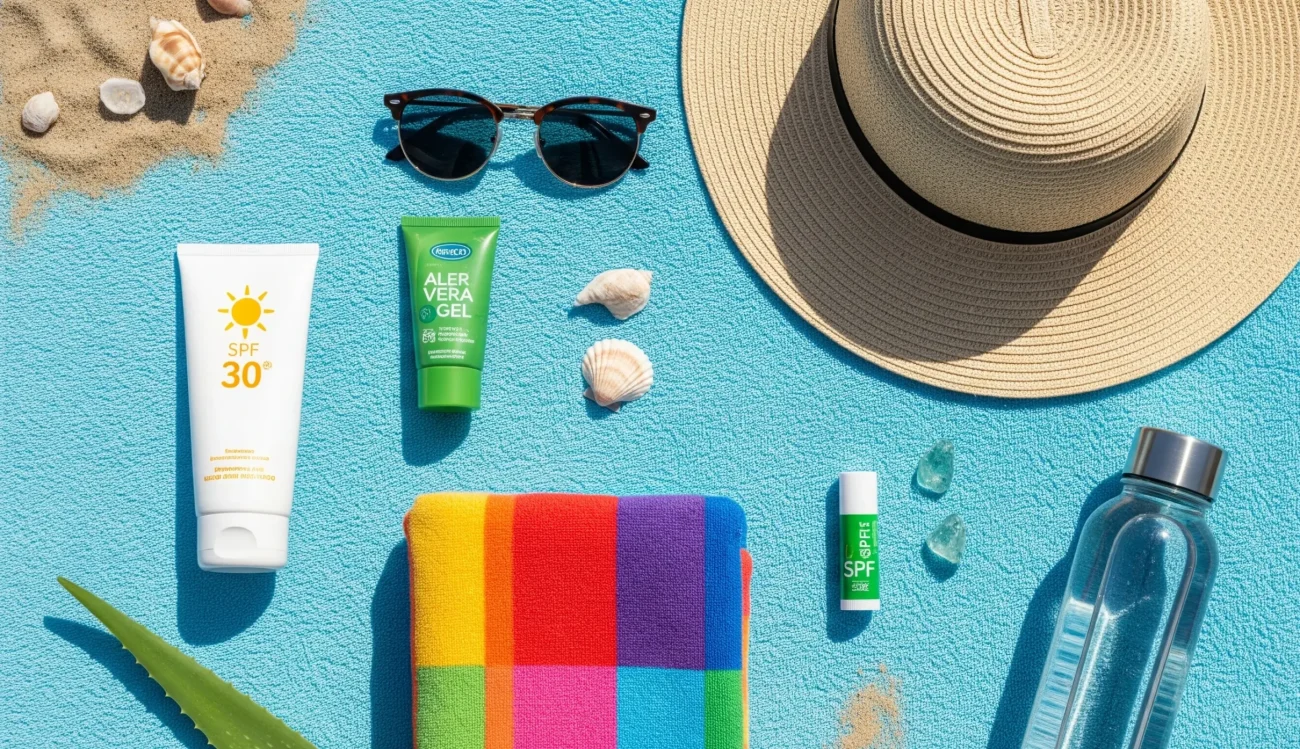
The desert sun is intense and can damage your skin quickly if you’re not careful.
I always wear a wide-brimmed hat on my head to cover my face, ears, and neck. A baseball cap is not enough — you want full coverage. That goes along with sunscreen of SPF 50+, which I always put on and reapply every couple of hours if I’m sweating.
Your eyes require protection as well. I use wrap-around UV-protective sunglasses to keep dust and glare out of my eyes. Remember your lips — a balm with SPF prevents them from drying and cracking.
Wearing UPF clothing does make a big difference. Light, loose, light-colored shirts and pants protect your skin and keep you cooler. And be sure to create shade breaks whenever possible — even a small piece of tarp can provide your skin with some sun break.
Don’t forget, sun protection is not only about preventing sunburn — it makes you safer and more comfortable on your vacation.
3. Desert Clothing
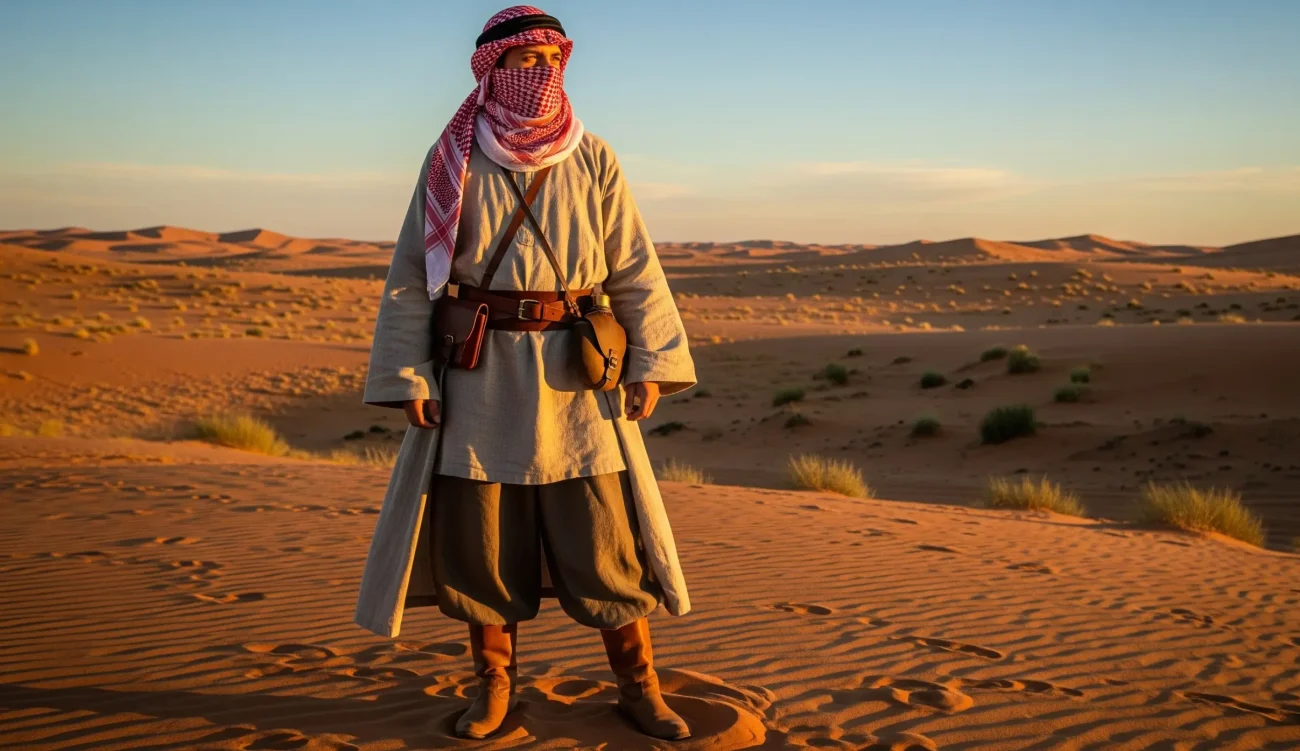
Dressing up in the desert includes planning the two very different climates of hot days and cold nights.
I wear light and loose trousers and long sleeved shirts throughout the day. These protect my skin in the sun and make me feel cool by allowing some air to pass through. Since they breathe freely and dry easily when I sweat, I like wearing any type of clothing made of natural or technical fabrics such as cotton blends or moisture -wicking fabrics.
I carry blankets to keep me warm since it gets cold at night. I tend to wear a lightweight insulated jacket or a fleece jacket in addition to a thermal base layer. The layers are also very comfortable to sleep and camp in since they do not add weight and can retain heat.
When building your desert trip packing list, remember that smart clothing choices protect you from both heat and cold — keeping you safe and comfortable no matter the hour.
4. Navigation and Communication Tools
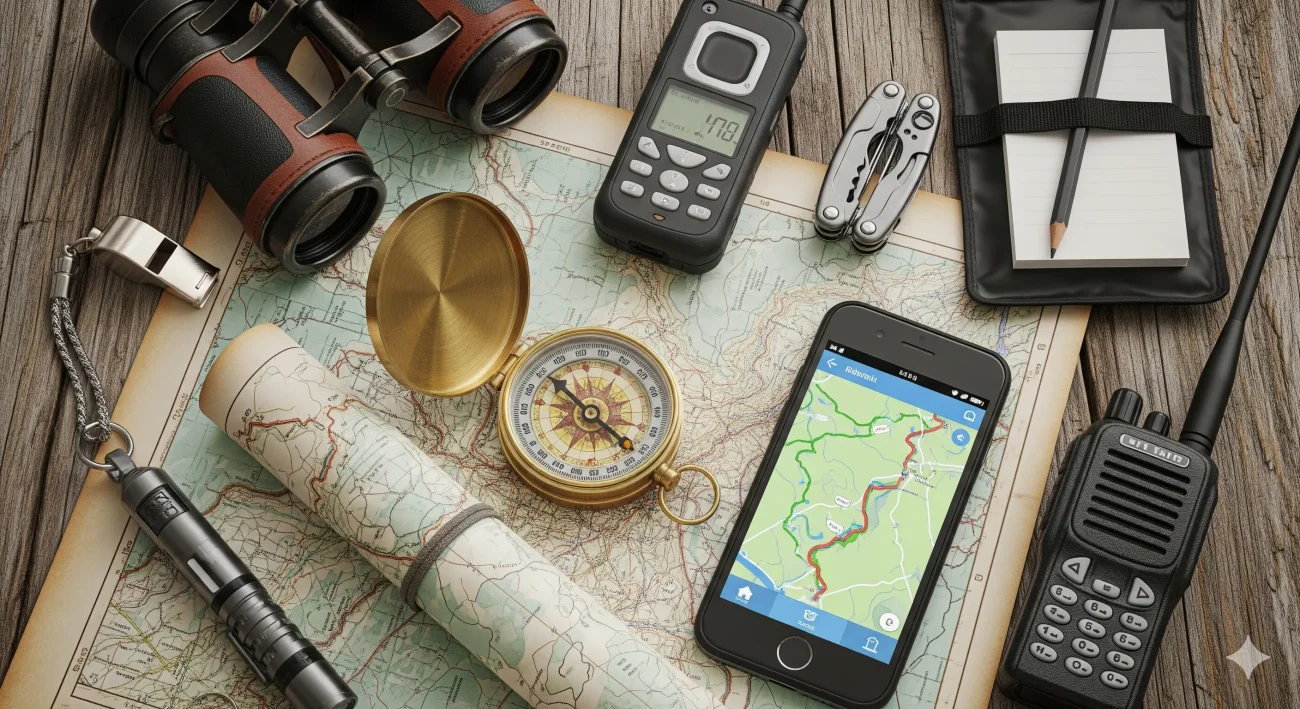
The desert is not an easy place to get lost in; therefore, sound navigation equipment is essential.
I have an offline-working GPS device, always on hand as well as offline phone or tablet maps. Another important backup is a compass – the technology may go dead, but a compass will never lose charge. In case of an emergency, a satellite messenger or personal locator beacon provides me with a sense of security since I can transmit distress calls where the cell service is unavailable.
By the way, do not use phones in isolation. Cell signal is patchy or not present in most desert regions. That is why it is very important to have more than one way to move and communicate. A layoff can save your commute to work or even life itself.
5. Shelter and Sleeping Gear
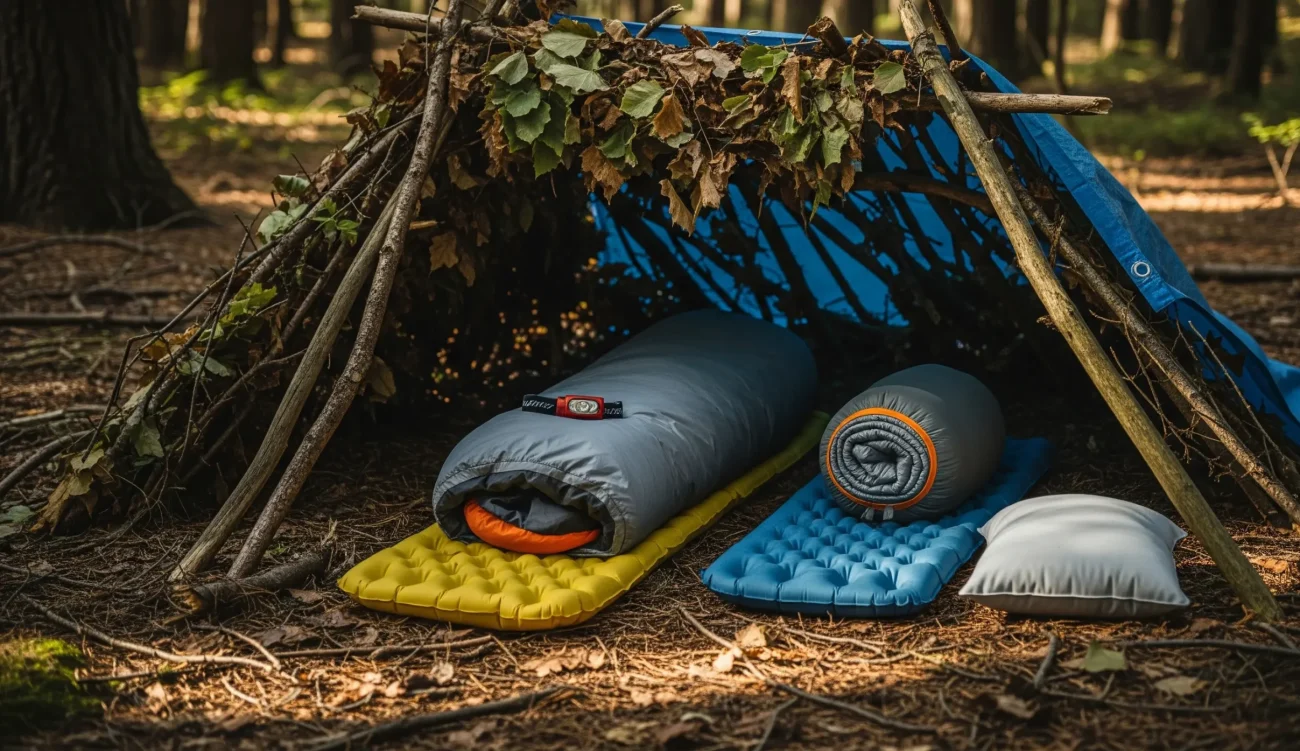
The desert is not only hot but the nights can be unexpectedly chilly, which means your shelter and bedding must be able to withstand extreme variations in temperature.
During the day I have a small tent packed in UV-resistant materials to prevent sun and wind. Sand does not take stakes very well, so I make special ones to be used in sand or tie my tent down with a lot of heavy rocks.
To sleep, I carry with me a sleeping bag with a rating of 20-30F, which is sufficient to keep me warm during cold nights. A sleeping pad will provide insulation against the cold ground and comfort.
Keep in mind, it can get cold very fast in the desert when the sun goes down, so you must always be ready to get cold, as much as you need to be ready to keep cool in the day.
6. Food and Cooking Supplies

Packing food to the desert translates to packing food that is convenient and easy to carry, that does not spoil and that will provide you with a lot of energy.
I carry with me dehydrated meals since they are light and only require water to prepare. Protein bars, dried fruit and nuts are ideal snacks to have on the go. These are very dense in energy i.e. they provide you with lots of energy without making you feel heavy.
To cook, I carry small and compact cooking gadgets that can fit in my bag. As there is no refrigerator in the desert, I pay attention to the foods that require no refrigeration and can survive the heat.
You need to be able to sustain your strength without any bulky rations, consider portable nutrition — mini-powerhouse foods that will keep you going all day long.
7. First Aid and Emergency Preparedness
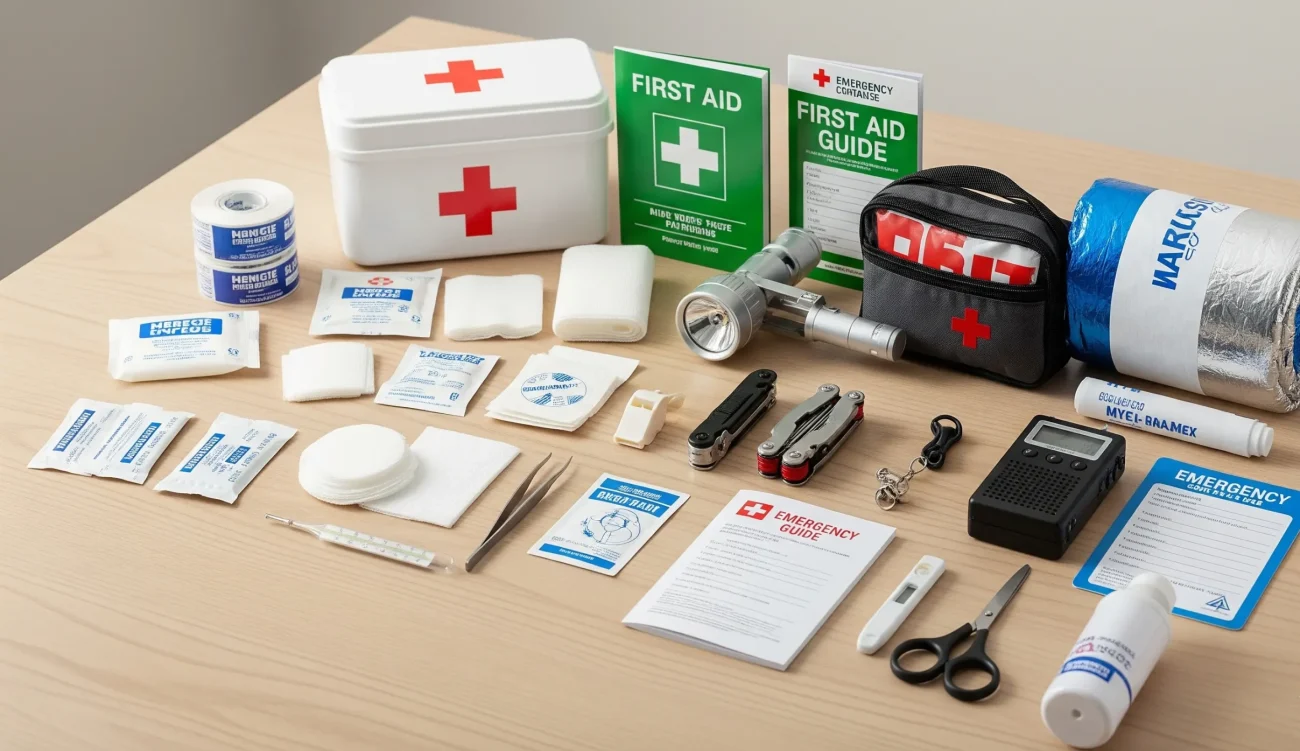
Any desert trip must have a good first aid kit. In case of poisoning, I carry bandages, anti-diarrhea medication, snake bite kits, etc. I also always have antihistamines in case of allergies and rehydration salts in case of dehydration.
In addition to the kit, I carry tools that would save your life during an emergency. A satellite SOS device allows you to call an ambulance even in places where there is no cell signal. There is a whistle and signalling mirror that can be used to attract attention in case you lose your way. And I never forget to bring an extra flash-light at night.
You should be prepared when it involves not being in the middle of nowhere in the desert.
8. Personal Hygiene and Sanitation
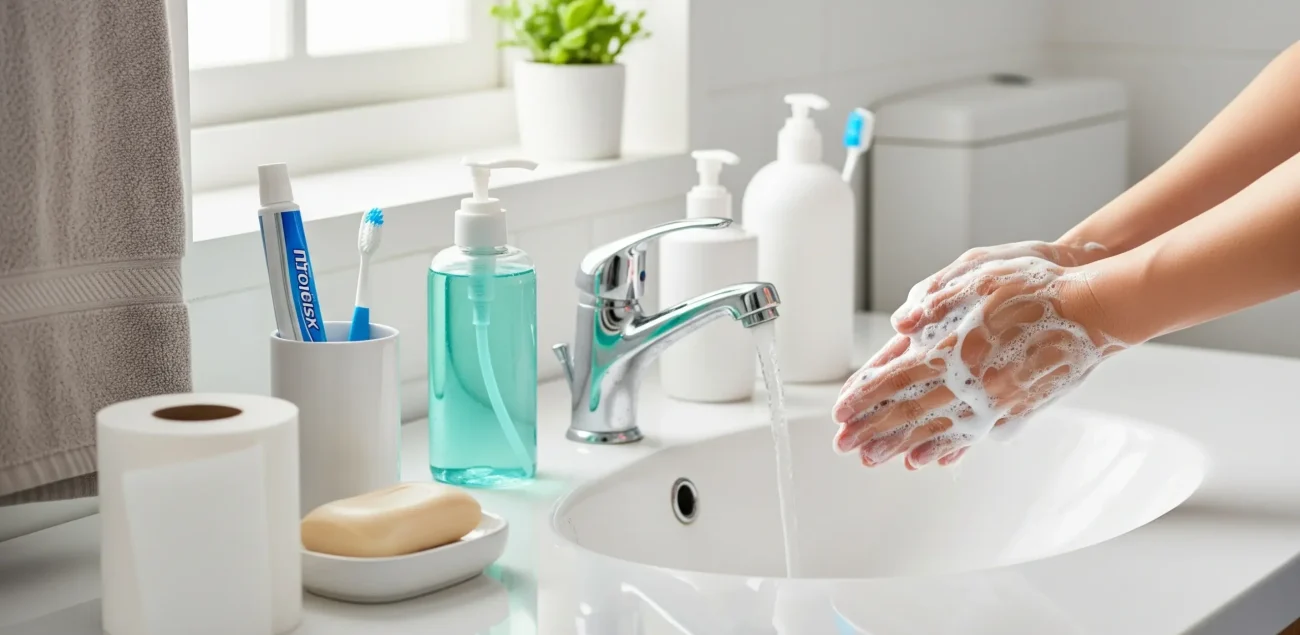
It is not easy to be clean in the desert because you need to be comfortable and healthy.
To clean myself without polluting the environment I carry biodegradable soap and wet wipes. Having a small trowel is useful to bury waste in the right way and leave no mark. During long days, hand sanitizer proves to be a lifesaver when there is a shortage of water and quick clean-ups are made easier with pre-moistened towels.
The trick is to keep the desert as wild and untouched as possible and keep it clean.
9. Electronics and Power

Electronics are wonderful when it comes to recording the memory but the desert is unkind to electronics.
I have power banks to keep my devices powered and a solar charger as an emergency when off the grid. I switch off unnecessary applications and reduce the brightness of the screen to conserve battery.
Gear can easily get ruined by dust and moisture, so I store them in dust-proof containers such as sealed cases and ziplock bags. Silica gel packs are added to ensure that my electronics are not affected by the dry heat of the desert or temperature fluctuations.
By doing these, my gear will be safe and powered during the trip.
Desert Trip Packing FAQ
Hiking boots that are well-made and easy to wear, including having a good sole, should be used on rocky surfaces. Lightweight trailers are suitable for shorter hikes.
Yes! Each additional item should be a can of water, a 4-season tent, sleeping bag that can deal with hot days and cold nights. Use sand-proof tent stakes.
Use SPF 50 sunscreen, UV-protective clothing, a wide-brimmed hat, sunglasses, and UV-blocking gloves.
Pack high-energy, non-perishable foods like nuts, trail mix, and protein bars. Also, carry freeze-dried meals with you in case you are camping.
Always drink water, take some throughout the day, and keep up with electrolyte tablets to keep you going. Always have a backup water source.
Going with a friend is safer but when alone, inform a person about your path, use a GPS, or even have an emergency aid such as a whistle.
Keep quiet, remain still and attract attention by whistle or signal mirror. Conserve water and wait for assistance.
Conclusion:

It all depends on how you plan your desert trip packing list. Note that there are nine must-haves: water and hydration, sun protection, desert clothing, device of navigation and communication, shelter and sleeping material, food and cooking, first aid and emergency supplies, personal hygiene, and electronics and power.
To be prepared is to be safe, comfortable, and respectful of the delicate environment of the desert. The desert is a place to remember, with the right equipment and proper planning, your desert adventure will be one you will never forget.
