
Blog
What to Pack for a Winter Vacation in Northern Europe

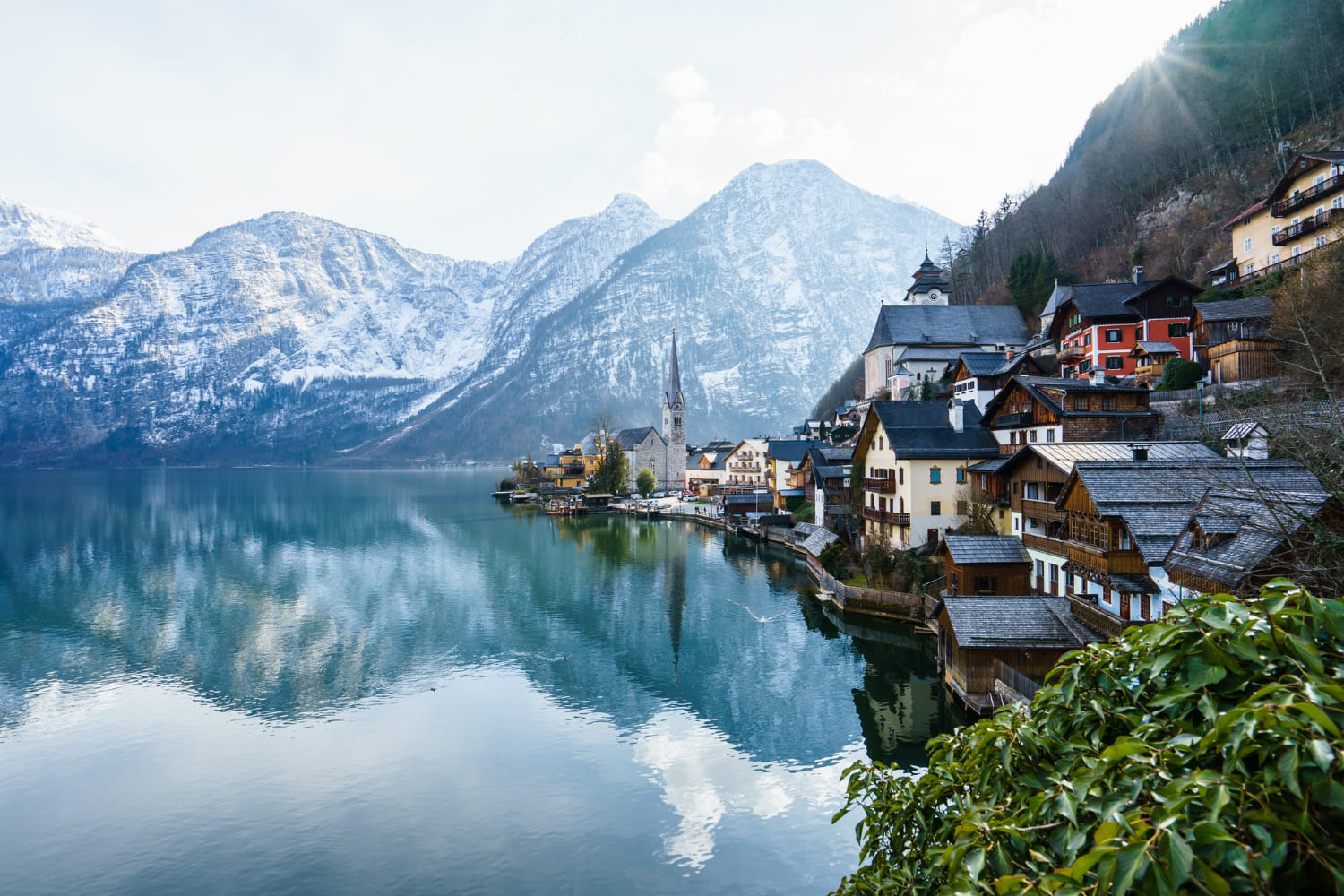
Travel Light but Warm: Winter Packing for Europe Made Easy
Most travelers fantasize about sipping steaming hot chocolate alongside icy fjords or walking through snow-white bazaars in Northern Europe. But the rigors of winter weather usually catch them unawares. Picture this: packing your ordinary clothes and finding yourself shivering in the gale wind or drenched by unexpected snow. Without proper winter packing for Europe, the trip can feel more like a survival expedition than a fairy tale.
The solution? A clear, thought-out packing list specifically designed for winter packing for Europe. This guide keeps you warm, dry, and stylish without packing too much.
Why? You need a Cold Weather Packing Plan
Moving from country to country, such as Norway, Sweden, Finland, or even the North of Germany, through the winter season means exposure to temperatures below the freezing level daily. Snow, cold air, and rain are the norm. The problem is compounded by the difference between the cold outside and the warmth indoors. A good travel kit for cold weather provides you with the ability to deal with these opposing conditions in comfort.
Layering is warranted here. Rather than packing bulky things, pack thin layers that you can layer and wear in conjunction with one another to stay warm. This will allow you to add or subtract pieces as the situation calls for—be it snowshoeing or warming up in a museum.
Base, Mid, and Outer Layers: The Winter Armor
Base Layers—Your First Defense
Start on the right foot. Linear deep beds of merino wool or moisture-siphoning synthetic fabrics keep you comfortable. These are your first and best defense against cold.
Briefly, a base layer refers to what you put on your skin. It absorbs the sweat to keep you from being cold and clammy.
Mid Layers—Keeping the Heat
Above your underlayer, layer warm fleece or wool sweaters. These are warm because they trap heat close to your body. Mid-layers need to be breathable but thick enough to keep you warm. Pack two or three you can alternate during your journey.
Outer Layers—Make Your Outfit Weatherproof
Your coat is where things get serious from a protection point of view. Opt to use a windproof, waterproof coat and an insulated coat. In Northern Europe, you will need a down parka or a heavy winter coat that reaches down to mid-thigh. Select coats having a hood and storm cuffs to keep the snow and wind off.
It is a three-layered concept, which becomes the basis of any effective winter packing for Europe list.
Fashion Necessities: Functional and Comfortable
Other than layers, you'll need other smart winter wear. Pack two or three pairs of jeans or thermal-lined trousers. Thermal leggings or long johns can be worn underneath as a warmth layer. These are especially worth it if you're going to prowl around all day in cold towns like Bergen or Tallinn.
Wool socks—five or seven—are essential. They are warmer than cotton socks and do not lose their warmth. If you wear skirts or dresses, thermal tights are also a good idea to bring along.
Do not forget about accessories. A scarf, a hat (beanie), earmuffs, and gloves will protect your most exposed areas. Winds are really violent in Northern Europe, and therefore no wonder that accessories that cover your neck and your ears are essential.
Swimsuit and flip-flops are also a good idea, in case your tour involves saunas or even hot springs, such as those in Reykjavik or Budapest.
Shoes: Stay Dry from the Ground Up
Your feet will be the first to get cold. For this reason, waterproof, strong boots should be part of the basic cold weather traveling kit. Boots with a good grip are the best boots to carry around in case you are strolling on icy or even snowy roads.
Snow boots would be the best option if you are heading to Arctic nations like Lapland. Leather boots with fleece lining would be enough for city travel.
One of the greatest tips is to bring your largest pair of shoes on the plane. It saves you space in your luggage, and you're ready for winter as soon as you arrive.
Toiletries & Health Kit: Protection Beyond Clothing
Cold air dries your skin quickly, and therefore, moisturizing creams are as important as gloves. Bring face cream and lip balm in travel-size. You must also have a mini first-aid kit with you, which should include pain pills, a nose spray (dry air), a bandage, and a hand sanitizer.
Simple hygienic items such as a toothbrush, soap or deodorant, and tissues are meant to be travel-sized so as to save space. Those are usually the ones you would leave behind that would determine whether or not you have a comfortable time in your travels.
Must-Have Gizmos and Accessories
It is vital to have a full battery charge, particularly when you expect the phone to play the role of a map or a translator. Carry along with you a universal travel adapter which will fit a plug in Europe. Take your phone and camera chargers home.
Carry an empty water bottle with you to allow you to remain hydrated. The body is losing water very fast, even in cold weather travel kit, most especially when you are engaging in activities around the house or in warm places.
A compact collapsible umbrella is no less of a good precaution to carry. Northern Europe does not simply snow, but it rains.
Packing Smarts: Traveling Light, But Successfully
Light packing can be achieved even in winter. The secret is preparation and intentional layering. Here's how you can pack for your winter packing for Europe with ease:
- Pack clothes using packing cubes and remain organized.
- Employ neutral colors that also harmonize with one another.
- Do your laundry midway through your trip.
- Wear your bulkiest clothing on travel days.
- Don't overdo it—each layer must serve a purpose.
7-Day Sample Packing List for Winter Northern Europe
Here is a suggested list to have you covered—literally:
- 2 pairs of thermal underwear
- 3 sweaters/wool sweaters
- 2 Neck ties l long-sleeved apparel
- 3 pairs of jeans or insulated pants
- 5–7 wool socks
- 1 waterproof parka or jacket
- 1 scarf, hat, gloves, and earmuffs
- 1 swimsuit and flip-flops
- 2 heat tights or leggings
- Gadgets and toiletries
- Waterproof boots
This pack keeps your bag light in weight without compromising warmth or comfort. It is a perfect accessory for any cold weather travel kit designed with efficiency.
Technical Terms Made Simple
Having some winter travel terminology will allow you to choose the right gear:
- Windproof: The wind does not enter your clothes.
- Moisture-wicking: Underwear that removes circulating sweat from the body
- Insulation: The material that retains your body heat in your clothes
- Thermal: Clothing that assists in retaining heat
- Base Layer: The one under your skin to manage sweat
Last Travel Tips for Northern European Winters
Before you go, make sure that
- Track weather reports for your respective cities.
- Carry a power bank when your phone batteries are drained after a short period of cold weather.
- Familiarise yourself with the study plug types and voltage of your equipment.
- Include travel insurance, particularly when you will be engaged in snowboarding or snow sports.
And plan your travel days with transitions as well. For instance, transition directly from a chilly morning hike to a warm café. This saves energy and keeps you warm during the day.
Conclusion
Travel Smart, Stay Warm: A Winter Wonderland Adventure in Northern Europe Is Contingent on Planning. The right cold weather travel kit is the difference between shivering your way through your days or enjoying every white moment in comfort.
With this ultimate winter season winter packing for Europe travel guide, you'll explore bravely through the region's charming streets, icy scenery, and festive holiday atmospheres. Layers, light baggage, and a lifetime of memories await.
